Schedule a Call
Ready to Upgrade Your Process Operations?
Ready to Upgrade Your Process Operations?
Explore FDA packaging labeling requirements for food, including ingredient declarations, allergen labeling, and compliance strategies to meet FDA standards.

Understanding the FDA's food packaging and labeling requirements is essential for wellness and personal care brands, especially when outsourcing manufacturing. FDA packaging and labeling regulations help ensure products meet safety standards, provide accurate information, and protect consumers from harm.
The FDA maintains a public database with nearly 4,000 substances in its Substances Added to Food list, including ingredients no longer authorized for use. Compliance with these regulations is non-negotiable for brands scaling into the US market.
In this article, we’ll break down the key FDA requirements, why they matter, and the risks of non-compliance for emerging wellness and personal care brands.
The FDA’s food packaging and labeling regulations make certain that food products are accurately labeled, safe, and provide essential information. For food brands, compliance helps avoid legal issues and protects consumers.
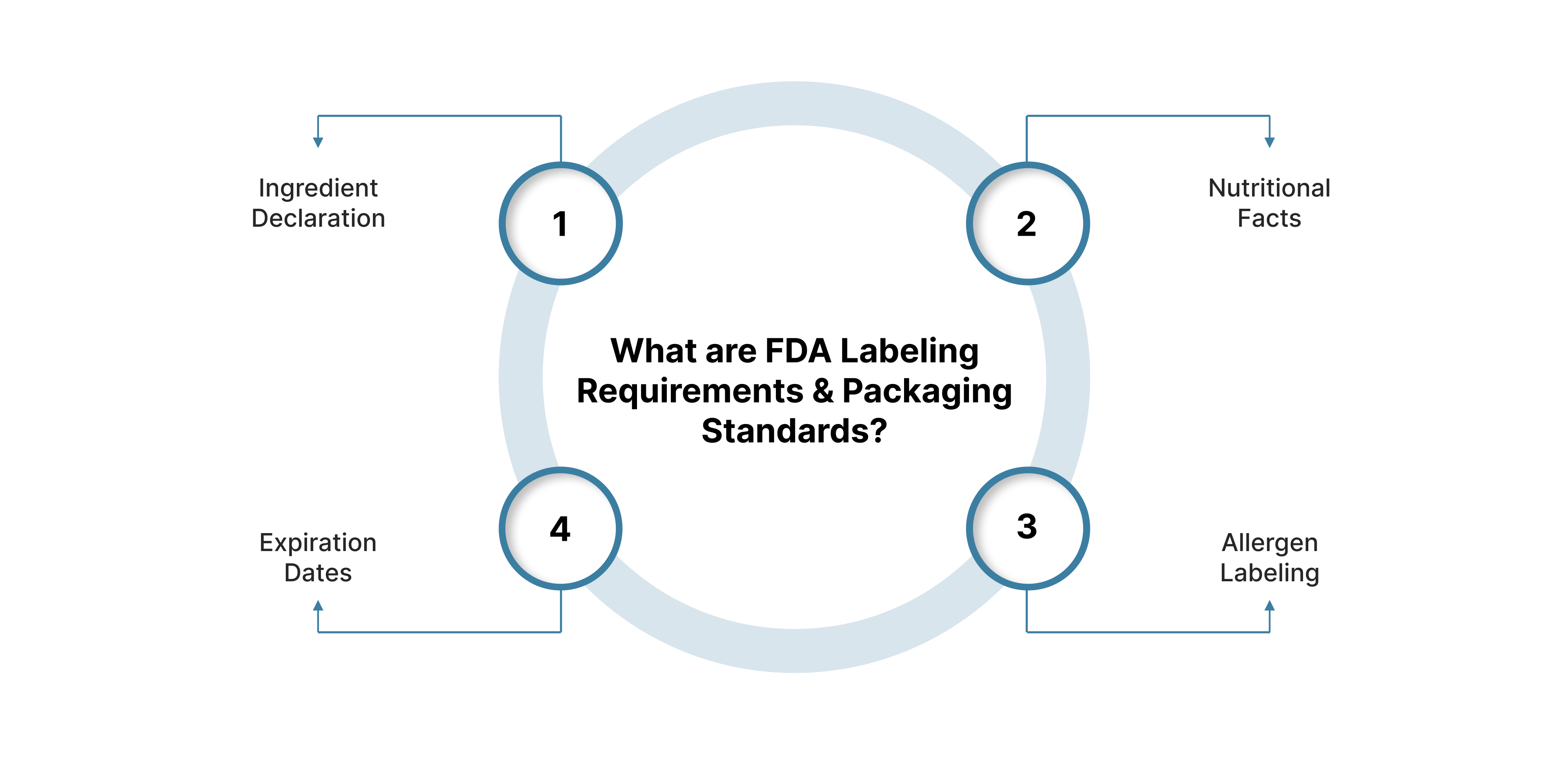
Key aspects of FDA packaging and labeling regulations include:
Now, let's explore why following FDA labeling regulations can protect your brand and customers.
Compliance with FDA food packaging and labeling regulations is essential for protecting a brand's reputation, avoiding legal risks, and ensuring consumer safety. Non-compliance with FDA regulations can lead to severe legal, financial, and safety risks for food brands.
1. Regulatory Enforcement: The FDA can issue warning letters, recalls, or fines for non-compliance. For D2C food brands, this can delay product launches and damage consumer trust.
Risks of Non-Compliance:
Quick Steps to Avoid Non-Compliance:
2. Legal & Financial Consequences: Failure to comply may result in litigation or fines, delaying market entry and causing lost opportunities. Wellness startups may face disruptions in their growth if labeling discrepancies occur.
Consequences Breakdown:
Minimizing Legal Risks:
3. Patient & Consumer Safety: Misleading or incomplete labeling can lead to adverse reactions or unsafe usage of products. For food brands, this compromises consumer safety and risks long-term brand damage.
Safety First Checklist:
For private-label and D2C food brands, maintaining strict compliance with FDA food packaging and labeling standards drives growth, protects consumer health, and strengthens brand loyalty. Compliance is essential for avoiding penalties and ensuring that products meet the highest safety standards for consumers.
We’ll now take a deeper look at the specific FDA food labeling requirements that every food brand must adhere to.
FDA regulatory food labeling requirements certify that food products are clearly identified, safe, and provide essential consumer information. For food brands, compliance protects consumer safety and prevents legal issues.
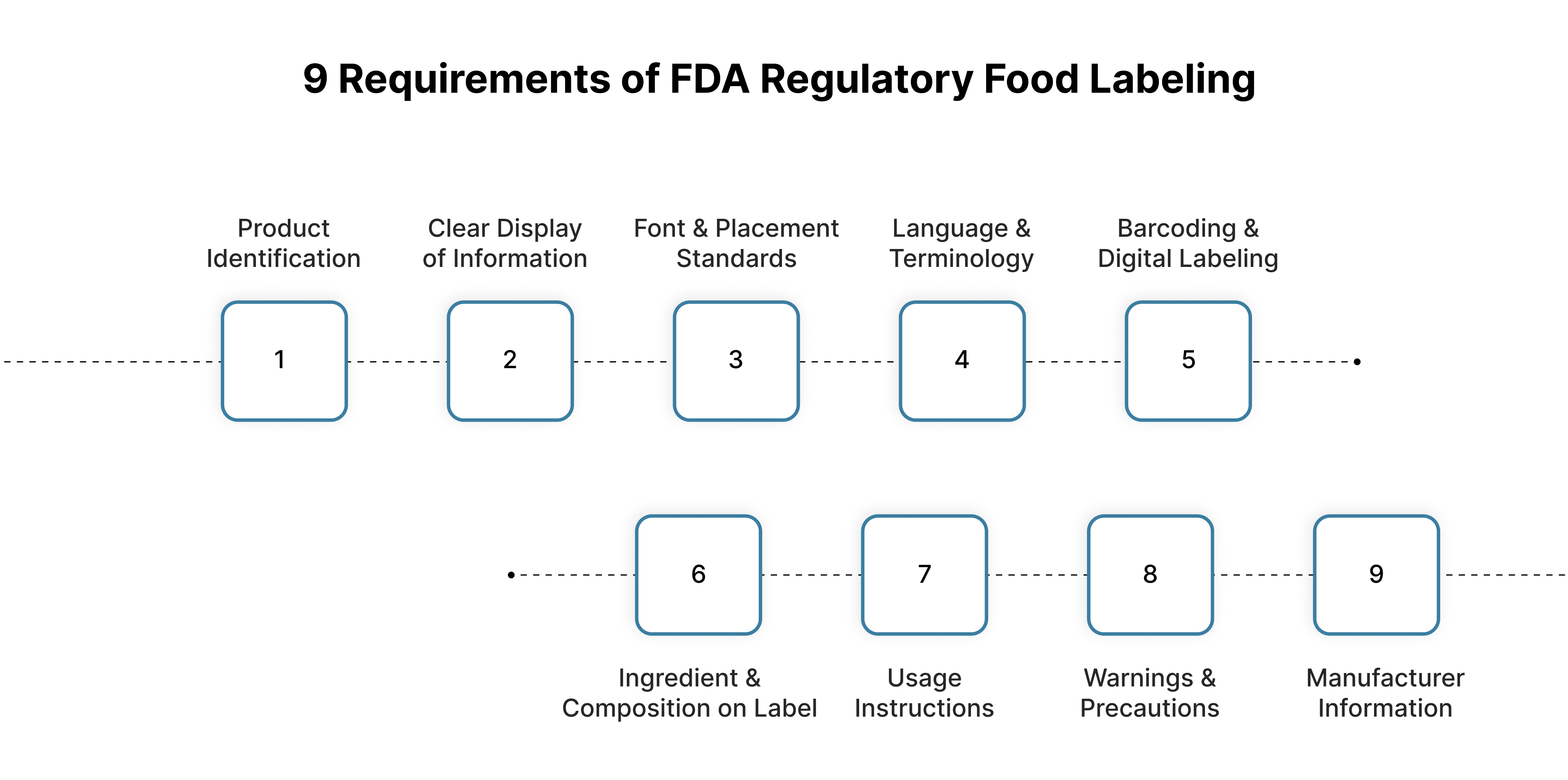
Labels must clearly state the product name, purpose, and classification on the Principal Display Panel (PDP). For fast-growing food brands, this ensures regulatory compliance and consumer recognition.
Product Identification in Action:
Why It Matters:
Accurate product identification helps consumers understand what they're purchasing and prevents mislabeling violations, a key concern when scaling your brand.
Labels should include ingredients, usage instructions, and manufacturer info. Clear labeling helps private-label brands build trust and avoid compliance risks, ensuring transparency for consumers.
Information Transparency Checklist:
Why It Matters:
Clear information boosts consumer trust and helps avoid FDA misbranding penalties. Transparency in labeling reduces risks related to misuse or allergic reactions.
Text must be legible and appropriately sized, ensuring visibility. For food startups selling online, clear labeling prevents confusion and meets FDA requirements for retail packaging.
Font & Placement Best Practices:
Why It Matters:
Ensures compliance with FDA regulations and makes your labels easily readable on digital devices and store shelves. Boosts accessibility for visually impaired consumers.
Labels should use precise, non-misleading language. For emerging food brands, avoiding vague claims helps prevent legal risks and ensures that all product statements are substantiated.
Avoid Misleading Claims:
Why It Matters:
Misleading language could result in FDA penalties and legal risks. Accurate wording ensures consumer safety and builds brand integrity.
In some cases, UDI barcodes or digital identifiers are required for tracking. D2C food brands can enhance traceability and streamline compliance with FDA packaging requirements using digital solutions.
Using Digital Labeling to Stay Compliant:
Why It Matters:
Digital labels improve efficiency in inventory management and FDA compliance. They also enhance consumer experience by offering instant access to detailed product information.
Food products must list all ingredients, both active and inactive. For food startups, transparent ingredient labeling is important for consumer trust and meeting FDA safety standards.
Ingredient Disclosure Best Practices:
Why It Matters:
Transparent ingredient lists prevent allergic reactions and health risks, and help customers make informed choices, fostering trust in your brand.
Clear instructions for use are required to guarantee safe application. Product managers should ensure instructions are easy to follow, helping prevent misuse and ensuring consumer safety.
Usage Instructions Checklist:
Why It Matters:
Proper usage instructions prevent consumer harm and reduce misuse. Well-laid-out instructions make products easier to understand and use.
Labels must include risks, side effects, or contraindications. For food brands, safety warnings on products prevent adverse reactions and comply with FDA guidelines.
Warning Information Best Practices:
Why It Matters:
Warnings help prevent adverse reactions and consumer complaints, ensuring safe use and reducing legal liabilities for your brand.
Labels must include manufacturer details, lot numbers, and expiration dates. For growing food brands, traceability is essential for managing compliance and ensuring product safety.
Traceability Best Practices:
Why It Matters:
Traceability helps ensure product safety, streamline recalls, and enhance compliance, especially as your brand expands.
In addition to labeling, packaging must also meet strict FDA standards. Let’s explore these packaging regulations.
FDA food packaging regulations ensure product stability, prevent contamination, and support safe handling. For food brands, packaging not only protects products but also helps maintain quality throughout the supply chain.
Certain products, especially supplements, must include tamper-evident features to indicate alterations. This is vital for food brands to maintain product safety and consumer confidence in the packaging.
How to Implement Tamper-Evident Packaging:
Packaging must withstand environmental factors like moisture, light, and temperature. Choosing durable packaging is essential for food brands to protect products during transport and storage, ensuring compliance.
Steps to Ensure Packaging Durability:
Certain food products require sterile packaging to avoid contamination. While not all products need sterile packaging, compliance is vital for food brands in health-related sectors.
Key Sterilization Methods:
Some food products, especially supplements, must meet Poison Prevention Packaging Act (PPPA) standards. Food brands with products that pose ingestion risks must use child-resistant packaging to maintain safety.
Creating Safe Packaging:
Packaging must ensure that labels remain intact and legible. For food brands with retail or eCommerce channels, ensuring label readability is essential for compliance and maintaining brand integrity.
Best Practices for Label Integrity:
Make sure that your food products meet FDA Food Packaging and Labeling Guidelines with Respect Manufacturing's comprehensive compliance solutions, from formulation to fulfillment.
Next, let’s discuss some effective methods to meet FDA food labeling and packaging standards.
To stay compliant with FDA regulations, brands must integrate labeling and packaging requirements into their workflows. Implementing these strategies ensures timely compliance and smooth product launches.
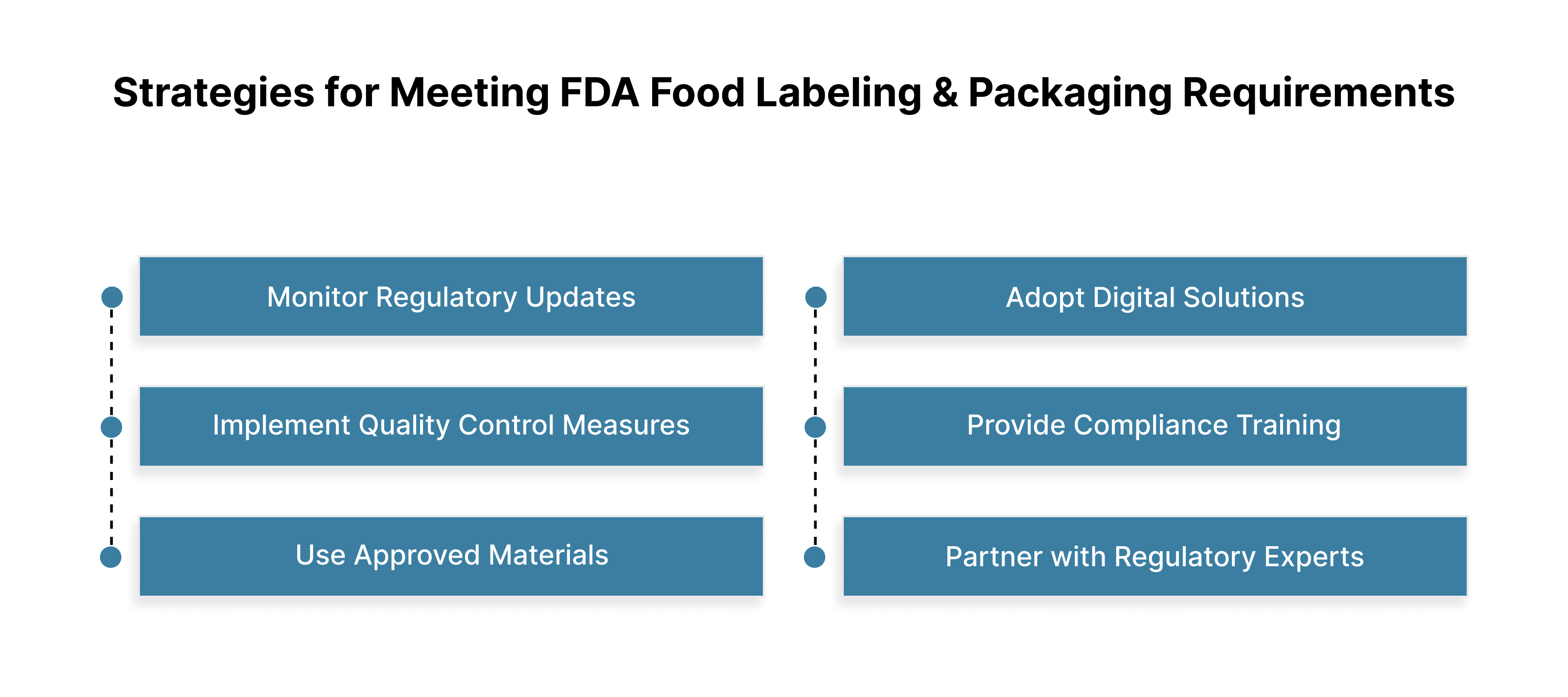
1. Monitor Regulatory Updates
Stay updated on FDA food labeling and packaging rules to remain compliant with changing standards, ensuring your products always meet the latest requirements.
Methods for Monitoring:
2. Implement Quality Control Measures
Regularly audit food labels for accuracy, legibility, and durability, ensuring compliance with FDA regulations and preventing costly mistakes or recalls.
3-Step Quality Control Process:
Schedule regular audits of labels to ensure they align with FDA standards and update them as necessary.
Test labels for moisture resistance, abrasion tolerance, and legibility under real-world conditions.
Create a feedback loop for real-time tracking of any quality control issues, ensuring immediate action.
3. Use Approved Materials
Select FDA-compliant packaging materials such as inks, adhesives, and containers to meet safety regulations and prevent contamination during transport and storage.
Material Compliance Process:
Check the FDA-approved material list before selecting packaging materials for your products.
Ensure packaging materials can withstand environmental factors like moisture, temperature changes, and UV light.
Work with suppliers who guarantee FDA-compliant packaging and ensure all materials meet FDA safety standards.
4. Adopt Digital Solutions
Use UDI barcodes, RFID tracking, or QR codes for improved product traceability and compliance with FDA food packaging and labeling requirements.
How Digital Solutions Enhance Compliance:
5. Provide Compliance Training
Educate your teams about FDA regulations to make sure that all food labeling and packaging processes align with the latest standards, minimizing the risk of errors.
Key Areas to Focus Training On:
6. Partner with Regulatory Experts
Collaborate with compliance experts to check if your labels and packaging meet all FDA requirements before product release, avoiding costly delays or penalties.
How Regulatory Experts Can Help:
However, meeting FDA requirements isn’t always easy. Here are some of the challenges brands face when it comes to compliance.
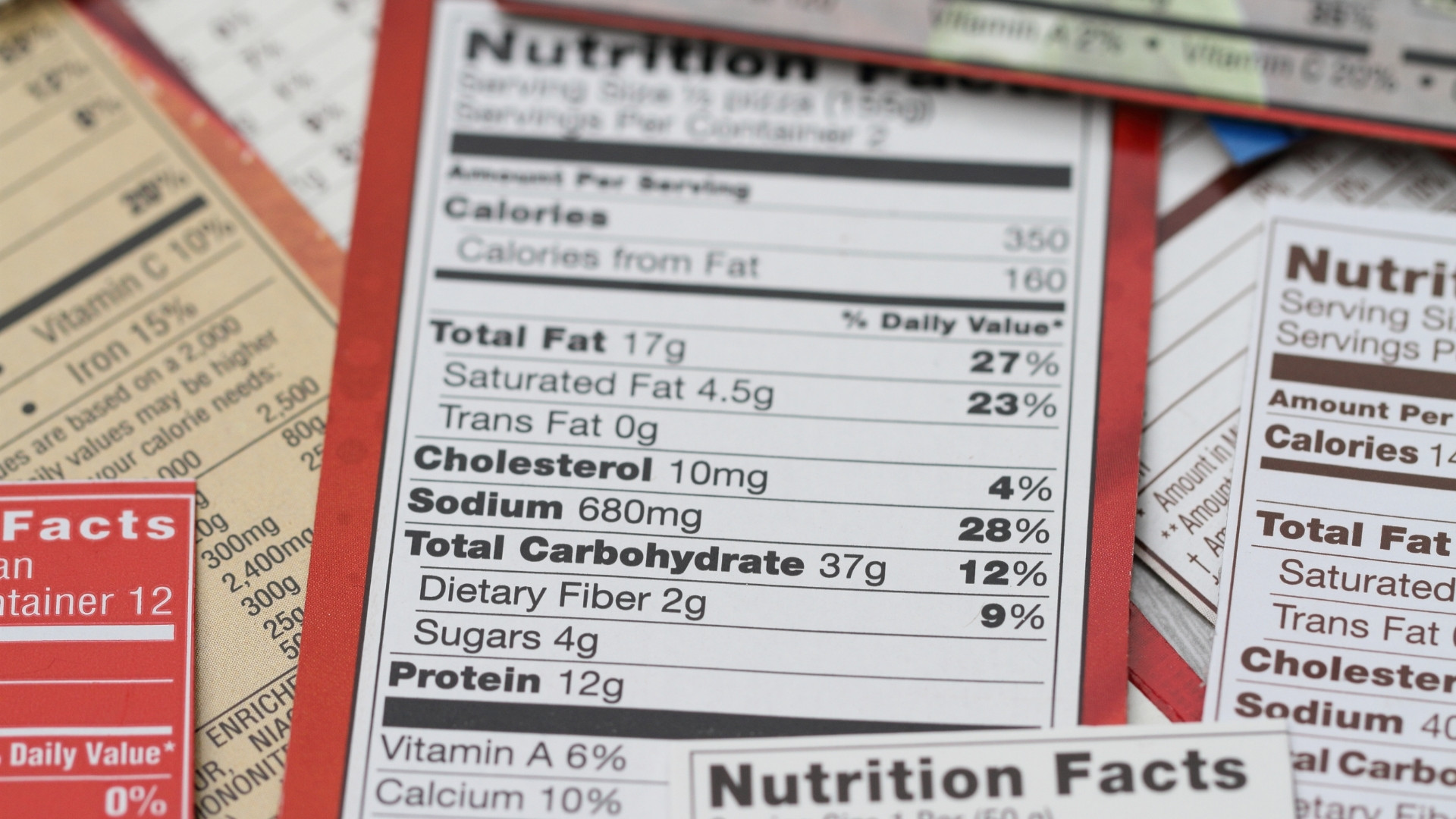
Meeting FDA food labeling and packaging requirements can be challenging due to frequent regulatory changes and complex compliance needs. Food brands need to stay ahead of advancing rules to avoid risks.
FDA regulations change frequently, requiring quick adjustments to labeling and packaging, which can be overwhelming for fast-growing brands.
Solutions:
Labeling errors, like incorrect ingredients or missing allergen details, can lead to costly recalls and damage brand reputation.
Solutions:
Packaging must be durable enough to withstand environmental factors like moisture and temperature while protecting the product’s integrity.
Solutions:
Packaging and labels must remain intact and legible throughout the product lifecycle, which can be difficult for certain materials.
Solutions:
For certain food products, such as those under pharmaceutical regulation, serialization and traceability systems like UDI barcodes are required, which can add complexity.
Solutions:
Now, let’s see how Respect Manufacturing can help overcome these challenges by providing compliance-focused solutions.

Emerging D2C food brands and private-label entrepreneurs often face obstacles in managing multiple vendors, ensuring accurate ingredient labeling, and maintaining product quality through every stage of production.
Respect Manufacturing offers the solution to these challenges, providing a one-stop, FDA-compliant production service that assures your food products meet all FDA packaging and labeling guidelines. With our CGMP-certified facilities and end-to-end service model, we streamline production, reduce risk, and help you stay compliant from formulation to fulfillment.
Key features of Respect Manufacturing:
With Respect Manufacturing, your food products are guaranteed to meet FDA food packaging and labeling guidelines seamlessly, allowing you to focus on growth while ensuring compliance at every stage.
Compliance with the FDA regulations helps protect your brand from legal risks, fines, and consumer safety issues while promoting transparency and consumer trust. If you're a private-label entrepreneur, adhering to FDA requirements is crucial for successful market entry and sustainable growth.
To ensure your food products meet FDA food packaging and labeling guidelines, Respect Manufacturing offers FDA-registered facilities, CGMP-certified operations, and an end-to-end service model; we handle everything from formulation to logistics, helping you maintain consistent quality, reduce regulatory risks, and streamline your production process.
Connect with Respect Manufacturing now to discuss how we can support your product development and FDA compliance needs.
To ensure your packaging meets FDA standards, use compliant materials and provide clear labeling with accurate ingredient disclosures. Partnering with an FDA-registered manufacturer helps streamline compliance, ensuring every aspect of your packaging adheres to safety guidelines.
Yes, food labels must be updated whenever regulations change, ingredients are modified, or new packaging formats are introduced. Keeping labels up-to-date ensures compliance with FDA regulations and maintains product safety for consumers.
Non-compliance with FDA labeling regulations can lead to severe consequences, including FDA warning letters, fines, and product recalls. These issues can delay market entry, disrupt sales, and damage your brand’s reputation, leading to long-term financial and legal challenges.
Yes, FDA regulations permit the use of UDI barcodes and digital labeling to improve traceability and compliance, especially for food products sold through retail or eCommerce channels. These solutions help streamline tracking and ensure consumer safety.
Partner with a CGMP-certified manufacturer who understands FDA packaging and labeling requirements. Ensure they maintain accurate records, conduct audits, and comply with all relevant standards to streamline compliance and reduce risk for your food products.