Schedule a Call
Ready to Upgrade Your Process Operations?
Ready to Upgrade Your Process Operations?
Explore cosmetics compliance regulations in the US, covering FDA labeling, safety testing, recalls, and packaging standards to ensure full regulatory adherence.
.jpg)
Cosmetics compliance in the US ensures products are safe, properly labeled, and meet manufacturing standards. These regulations, enforced by the FDA and other bodies, protect consumers from harmful or misleading products.
In December 2022, a new law, MoCRA, took effect, expanding the FDA’s authority to oversee cosmetic safety in response to concerns from consumer groups and scientists about potentially harmful substances in cosmetics.
This law strengthens the FDA’s oversight of ingredients and product safety. As demand for skincare and beauty products rises, wellness startups and mid-market brands must scale while ensuring full compliance with these regulations.
In this article, you’ll learn the core regulations, compliance components, safety requirements, inspection expectations, and best practices every growing cosmetic brand must follow to stay compliant in the US market.
Cosmetics compliance is the adherence to regulations governing the safety, labeling, and marketing of cosmetic products. In the US, the FDA enforces laws under the Federal Food, Drug, and Cosmetic Act (FD&C Act) and the Fair Packaging and Labeling Act (FPLA). These regulations ensure that products are safe for use, accurately labeled, and marketed truthfully.
For fast-growing wellness brands, cosmetics compliance is vital for maintaining consumer safety and avoiding legal complications. The process includes understanding and applying various regulations related to product ingredients, labeling, and manufacturing practices. Complying with these rules helps prevent product recalls, lawsuits, and damage to the brand’s reputation.
Let’s break down the key elements of cosmetic compliance to understand what brands need to prioritize.
To deal with the demands of cosmetics compliance, brands must address several key areas. Here are the essential components that wellness startups and emerging brands must prioritize to stay compliant.
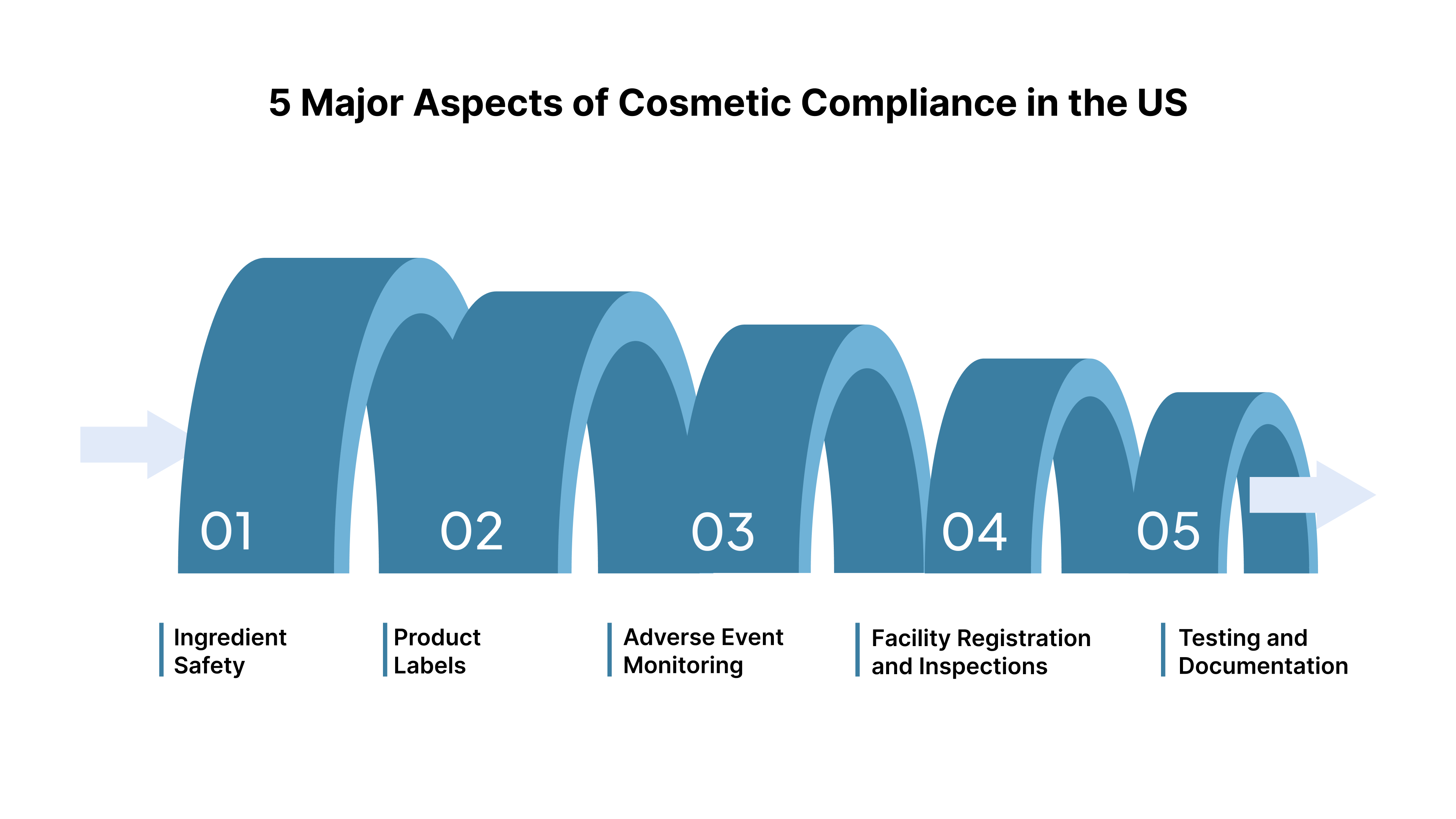
Wellness, skincare, and supplement brands must use only permitted ingredients and avoid any banned substances. This is important for D2C founders and product managers launching new formulas without in-house labs. Working with CGMP-certified manufacturing partners helps ensure ingredient safety, regulatory accuracy, and consistent output.
Key Considerations to Ensure Ingredient Safety:
Why it Matters: Ingredients that are not properly tested or meet FDA standards can lead to product recalls and legal actions. For D2C beauty brands, this means a loss of customer trust and brand reputation.
Labels must list all ingredients, warnings, and claims in FDA-compliant formats. This protects fast-scaling D2C brands and private-label entrepreneurs from misbranding risks. Clear, compliant labeling also reduces operational complexity for procurement leads managing multiple SKUs.
Key Considerations for Label Compliance:
Why It Matters:
For fast-growing D2C cosmetic brands, proper labeling simplifies the compliance process and ensures smooth product launches, preventing costly delays.
Brands must track customer complaints and report serious adverse events to maintain compliance. This is essential for wellness startups scaling quickly, as product volume increases oversight risk. AER systems help maintain quality control and prevent compliance issues that could delay launches.
Key Considerations for AER Compliance:
Why it Matters: A strong AER system allows brands to identify potential safety risks early, ensuring compliance and reducing the chances of a recall or legal consequence. For private-label brands, it builds credibility and helps avoid market entry delays.
Manufacturing must take place in FDA-registered, inspection-ready facilities. Since most wellness and beauty startups rely on third-party manufacturers, CGMP-certified partners reduce compliance gaps and production delays. Proper registration ensures smoother scaling when adding new packaging formats or product lines.
Key Considerations for Inspection-Ready Facilities:
Why it Matters: Maintaining FDA-compliant manufacturing facilities prevents costly delays and penalties. It also helps in scaling operations smoothly as your brand expands into new products or packaging formats.
Brands must conduct safety, stability, and microbial testing, along with maintaining detailed documentation. This supports founders and product managers who need validated data before launching new SKUs. Strong documentation also helps procurement leads consolidate vendors and pass regulatory audits without delays.
Key Considerations in Cosmetic Compliance:
Why it Matters: Keeping thorough records allows procurement leads and founders to track test results and streamline the process of meeting FDA audits and retail regulations. It ensures smooth market entry with minimal delays.
Various laws and regulatory bodies oversee cosmetic compliance; let’s take a closer look at their roles and responsibilities.
For emerging D2C brands, mid-market wellness firms, and private-label entrepreneurs, understanding the regulatory conditions is crucial to minimizing risks and ensuring consumer trust. Below are the key regulatory bodies and laws that wellness brands must adhere to.
The FDA is the primary federal authority overseeing cosmetic safety, labeling, manufacturing standards, and post-market monitoring in the United States. For any brand selling cosmetics in the U.S., especially fast-scaling D2C, private-label, and wellness beauty startups, FDA oversight shapes how products are formulated, manufactured, labeled, and monitored after launch.
Key FDA compliance expectations include:
Compliance Checklist:
The Modernization of Cosmetics Regulation Act (MoCRA) introduces more stringent requirements for cosmetic products marketed in the U.S., ensuring enhanced consumer safety and regulatory transparency.
Key requirements for MoCRA compliance include:
Compliance Checklist:
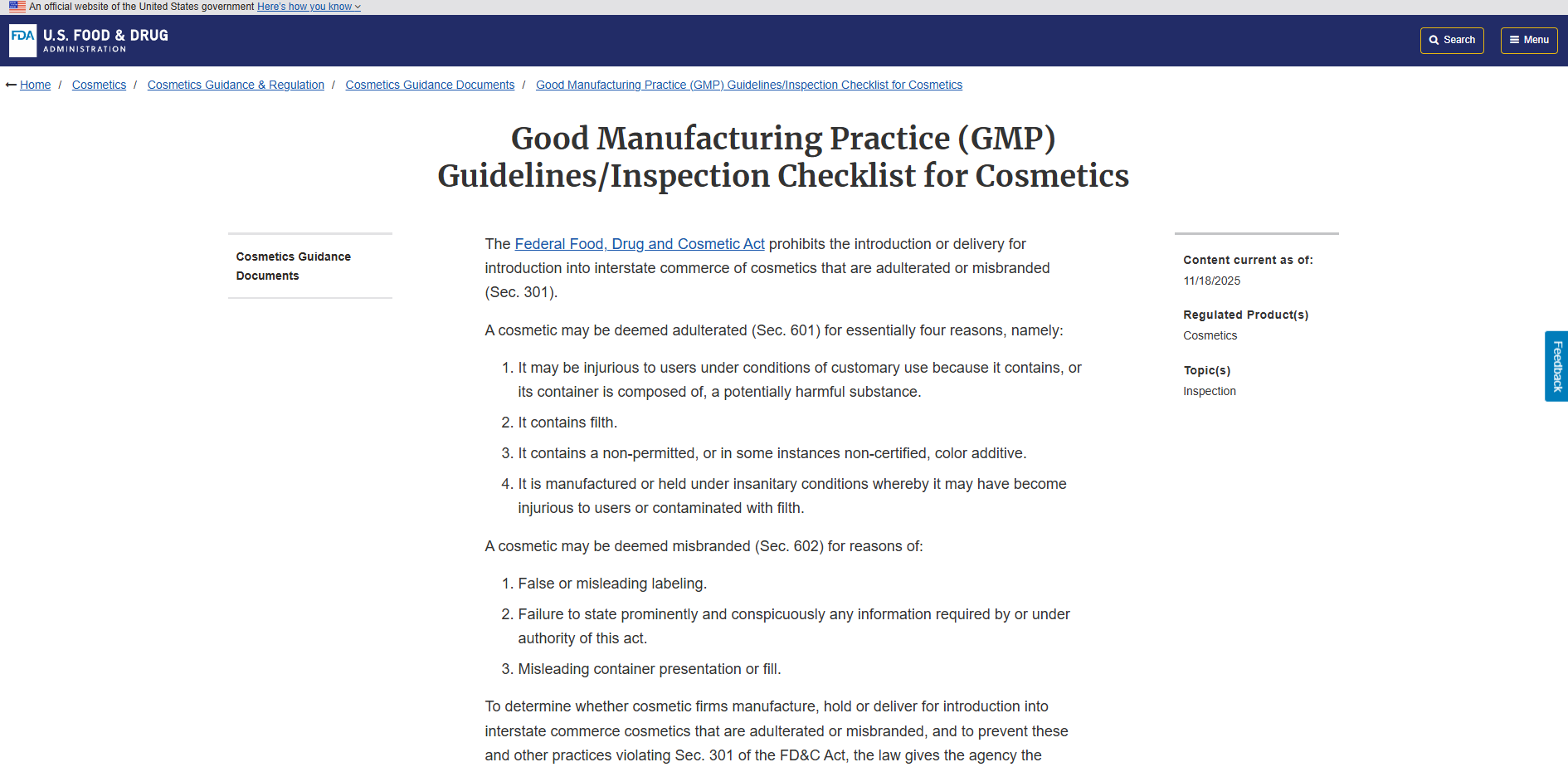
Good Manufacturing Practices (GMP) are essential for ensuring that cosmetic products are produced safely and consistently. For emerging wellness brands, GMP certification ensures products are safe, high-quality, and manufactured in compliance with FDA regulations.
Key GMP requirements include:
Compliance Checklist:

The Federal Food, Drug, and Cosmetic Act (FD&C Act) is a key piece of legislation that governs cosmetics in the U.S., ensuring products are safe for consumer use and properly labeled.
Key provisions of the FD&C Act include:
Compliance Checklist:
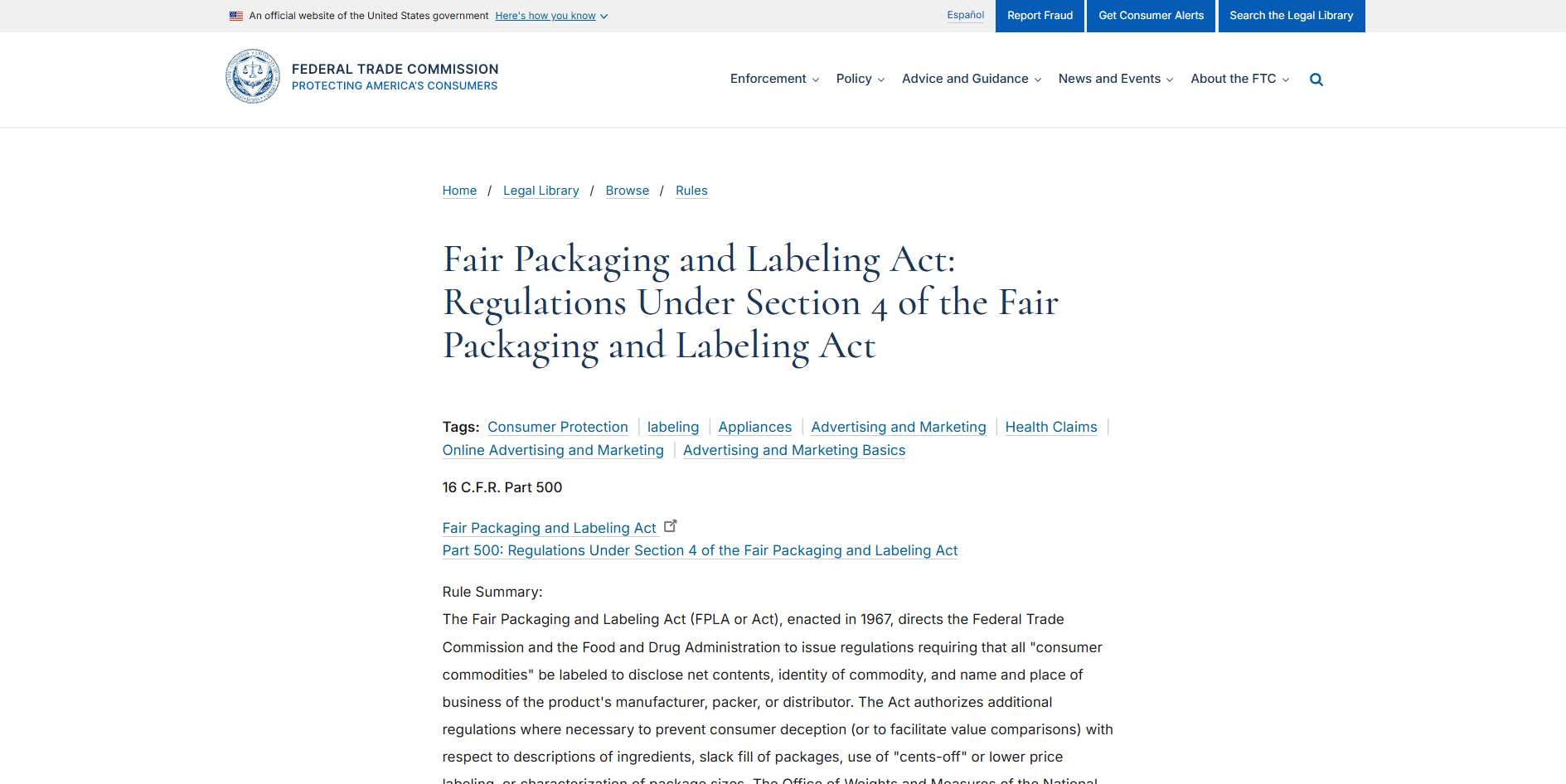
The Fair Packaging and Labeling Act (FPLA) mandates that cosmetic products are properly labeled, ensuring transparency and preventing misleading claims.
Key FPLA requirements for cosmetics compliance include:
Compliance Checklist:
With Respect Manufacturing, you can ensure your products meet US Cosmetics Compliance regulations, from FDA registration to quality testing, streamlining your process and avoiding costly setbacks.
When a product fails to meet safety standards, recalls and testing are essential. Here’s what you need to know.
Ensuring product safety is essential for wellness and beauty brands that rely on third-party manufacturing and rapid product launches. Here are the core recall, testing, and safety responsibilities every brand must manage.
The manufacturer must initiate cosmetic recalls, not the FDA, making compliance essential for wellness startups that rely on third-party facilities. If a product violates the FD&C Act, the FDA classifies the removal as a recall and monitors the company’s corrective actions. Fast-scaling D2C brands must act quickly, as the FDA may request a recall if unsafe products remain in circulation.
Steps to Implement:
Manufacturers must prove their products and ingredients are safe before launching, which is essential for brands without in-house labs or toxicology teams. A product is considered misbranded if safety hasn’t been substantiated, placing young wellness companies at higher risk. If safety data is missing, the label must display: “Warning. The safety of this product has not been determined.”
Steps to Implement:
The FDA conducts testing through facility inspections, import checks, or consumer complaint investigations. For outsourced manufacturing, this means D2C and private-label brands must rely on CGMP partners with strong QC systems. The FDA may also conduct its own research on ingredients, which can trigger reformulation needs for growing skincare and supplement brands.
Steps to Implement:
Now, let’s explore the costs associated with failing to meet cosmetic regulations.
Non-compliance leads to FDA warning letters, heavy fines, product seizures, and blocked market access, major setbacks for scaling wellness brands. These enforcement actions damage customer trust and disrupt launches, especially for brands entering major retailers or eCommerce platforms. For founders, product managers, and procurement leads, compliance gaps directly impact timelines, revenue, and brand reputation.
Examples of FDA Warning Letters include:
These cases highlight the real risks wellness and beauty brands face when manufacturing partners fail to meet FDA standards. Here are some key steps to maintain compliance during manufacturing.
Ensuring compliance during manufacturing is essential for wellness, skincare, and personal care brands that rely on third-party production. Here are the key best practices that help fast-scaling companies avoid regulatory risks and maintain consistent product quality.
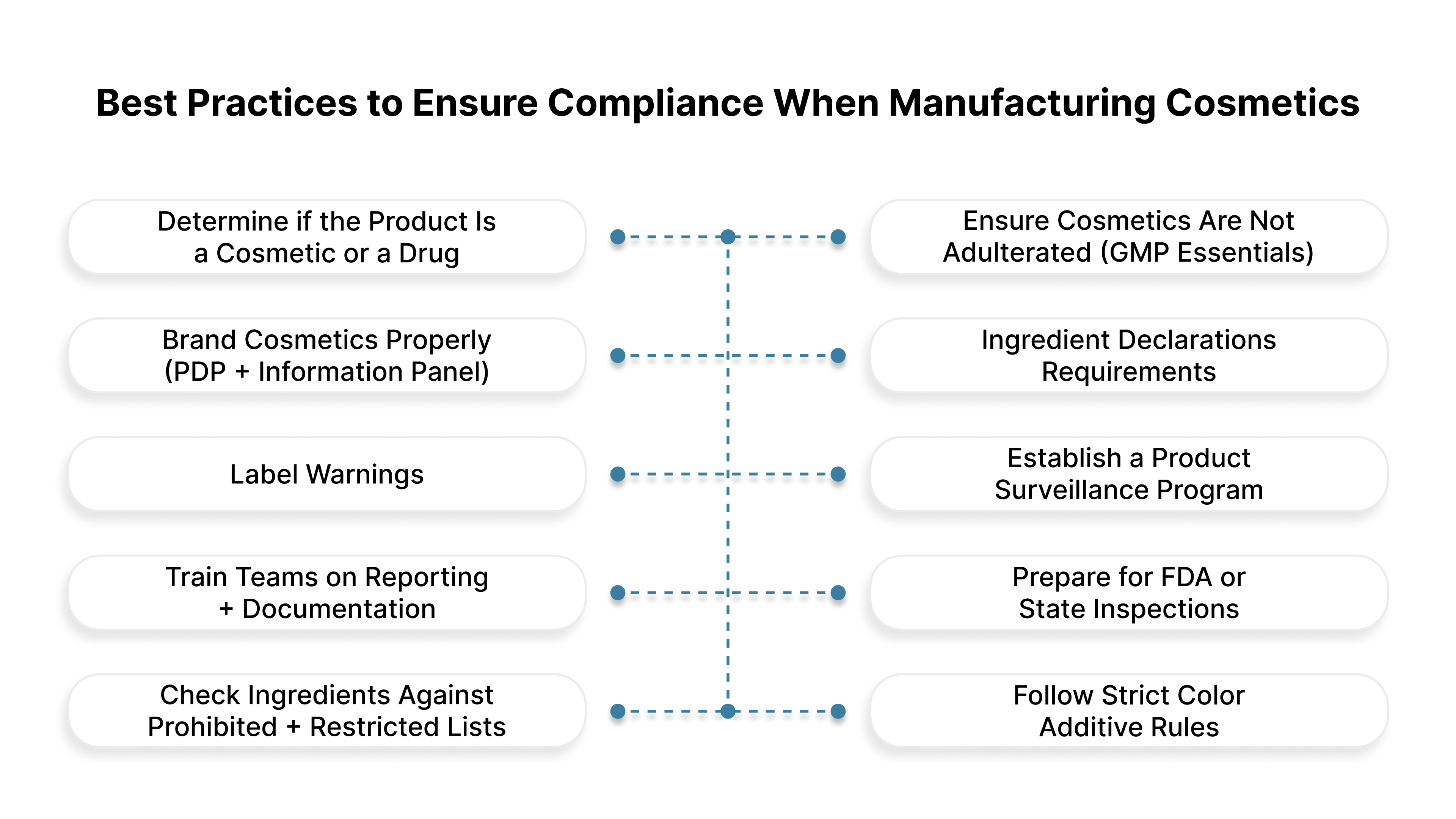
Wellness and beauty brands must confirm whether their product is regulated as a cosmetic or a drug since claims determine compliance requirements. Claims about treating conditions, restoring functions, or changing physiology turn a cosmetic into a drug, bringing stricter rules. Fast-scaling D2C brands must review labels, ingredients, and consumer perceptions carefully to avoid misclassification risks.
CGMP-certified facilities are important for startups without in-house production to ensure sanitary conditions, clean equipment, proper water supply, and trained personnel. Raw materials must be stored safely, tested regularly, and documented to avoid contamination. Annual GMP training and SOPs help wellness brands maintain consistent quality during scale-up.
Labels must clearly display the product name, use, and net quantity on the Principal Display Panel, vital for retail acceptance. The Information Panel must list business details, country of origin, and required distributor statements for private-label brands. Proper PDP and ingredient declarations help fast-growing brands avoid misbranding and retailer rejections.
Ingredients must be listed in descending order with the correct font size and placement, especially for D2C brands competing on transparency. Color additives and <1% ingredients follow specific rules, and drug-cosmetic hybrids must list active ingredients separately. Proper declarations prevent compliance issues during retail onboarding or FDA inspections.
Products that may pose misuse risks must include clear warnings and safe-use instructions. This is essential for brands introducing new formats or formulations that consumers may misunderstand. Prominent warnings help avoid complaints, safety incidents, and delays in retail or eCommerce approvals.
Wellness brands must build systems to collect complaints, track adverse events, and escalate serious cases. Assigning trained staff, setting SOPs, and retaining proper documentation assures regulatory readiness. Procurement leads and founders benefit from surveillance programs that prevent recalls and support MoCRA AER reporting.
Brands should train employees on what to report, who receives reports, and how cases are documented. A medical reviewer or regulatory specialist should assess safety issues for multi-SKU brands. Proper documentation helps avoid delays when scaling into regulated retail channels or undergoing inspections.
Inspection readiness is important for brands outsourcing production to third-party manufacturers. Teams must maintain clean facilities, complete documentation, and an active surveillance program to avoid warnings. This preparation supports smoother scaling and reduces time-to-market risk.
Wellness and beauty brands must avoid FDA-banned ingredients like chloroform, methylene chloride, vinyl chloride, zirconium complexes, and prohibited cattle materials. Ensuring ingredients meet safety limits is essential for product innovators launching new formulas. Non-compliance leads to detentions, especially for imported products with unapproved colors.
Color additives must be approved and used only as permitted; violations are one of the top reasons imported cosmetics are seized. D2C and private-label brands using vibrant makeup or tinted skincare must verify every batch. Proper color compliance protects against adulteration risks and shipment delays.
Respect Manufacturing offers the expertise and resources to help brands stay compliant with U.S. cosmetics regulations. Let’s look at the support we offer.
.jpg)
Scaling a wellness or beauty brand in the US means navigating FDA rules, MoCRA updates, labeling accuracy, and safe ingredient requirements, often without in-house production. Many fast-growing brands rely on multiple vendors, creating compliance gaps, inconsistent documentation, and partners unprepared for inspections. These challenges slow launches and increase regulatory risks.
Respect Manufacturing solves these problems by giving emerging D2C brands and mid-market wellness companies a single, CGMP-certified U.S. partner. With centralized formulation, testing, packaging, and documentation workflows, Respect Manufacturing ensures every product aligns with FDA expectations from development to delivery.
What you gain with Respect Manufacturing’s compliance-ready workflow:
With Respect Manufacturing as your compliance-focused production partner, meeting US cosmetics regulations becomes efficient, predictable, and fully aligned with your brand’s growth goals.
US cosmetics compliance means staying on top of MoCRA updates, FDA regulations, labeling requirements, and safety monitoring. From ensuring ingredient safety to passing inspections, every step plays a role in making sure your products enter the market smoothly.
For seamless US Cosmetics Compliance, partner with Respect Manufacturing to handle all your production needs with confidence. We provide CGMP-certified, FDA-registered manufacturing solutions, ensuring your products meet all US regulations. With centralized production and documentation, we help streamline compliance and reduce vendor complexity for wellness brands.
Contact Respect Manufacturing today to ensure your brand meets US cosmetics regulations.
While it’s possible to manufacture overseas, all products must still comply with FDA, MoCRA, GMP, labeling, and AER regulations. Partnering with a CGMP-certified manufacturer significantly reduces compliance risks, ensuring your products meet the required standards before reaching the market.
Compliance documentation should be updated every time there’s a formula change, label revision, or new SKU launch. For growing wellness brands, it's important to review compliance records quarterly to ensure there are no gaps. Regular updates prevent potential issues with the FDA, MoCRA, and other regulations as your business expands.
Yes, small-batch or pilot runs must follow the same GMP, labeling, and ingredient safety regulations as full production runs. Even during early-stage formulations or packaging tests, startups must ensure all compliance requirements are met. Failing to adhere to these regulations could result in costly delays or regulatory actions later on.
Yes, entering retail or selling on Amazon requires proof of GMP certification, safety data, and valid labeling in addition to FDA compliance. Many platforms also require documented AER systems to ensure consumer safety. For fast-growing wellness brands, meeting these additional requirements is key to avoiding delays and securing retail listings.
To avoid delays, streamline processes by using standardized SOPs and keeping centralized formulation files for each product. Ensure all documentation is FDA-ready before launch to speed up approvals. Working with a CGMP-certified partner can help consolidate workflows, minimize bottlenecks, and ensure a timely market entry for multiple SKUs.