Schedule a Call
Ready to Upgrade Your Process Operations?
Ready to Upgrade Your Process Operations?
Discover effective packaging design essentials that boost brand recognition. Engage senses with minimalism and sustainable solutions. Start innovating today!
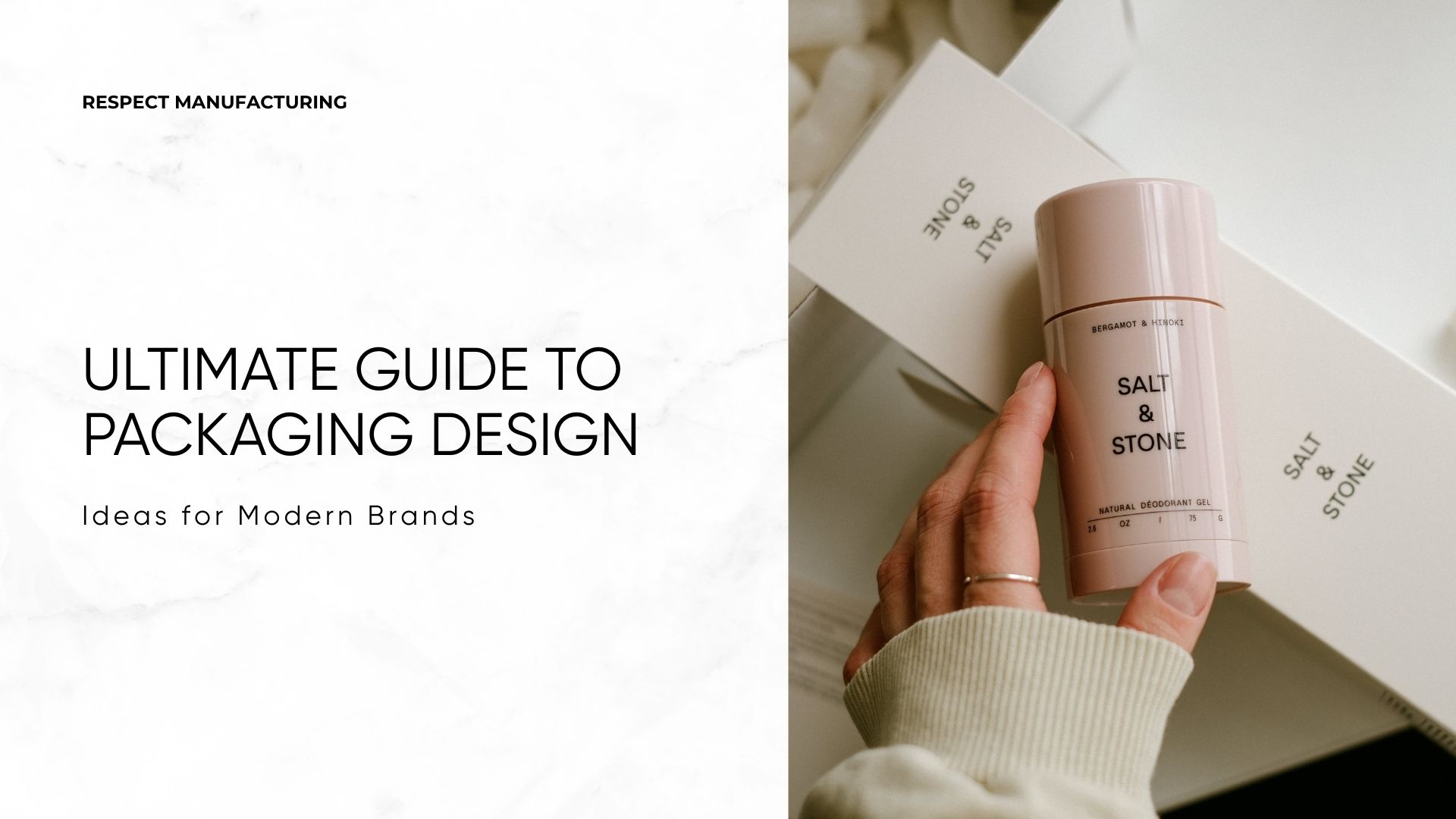
Packaging is often the first interaction a customer has with your product, and in a crowded beauty and wellness market, that moment matters. Effective packaging design does more than look attractive. It communicates quality, protects your formula, improves usability, and helps your product stand out across D2C, Amazon, and retail shelves.
For growing skincare, supplement, and personal care brands, packaging is a core part of brand identity and customer experience. The right choices influence perception, retention, and how confidently your product competes in its category.
In this article, we break down the most effective packaging design ideas and how to choose packaging that supports both creativity and functional performance.
Key Takeaways:
Packaging design refers to the visual, structural, and functional elements that shape how a product is presented, protected, and experienced. It includes everything from the material you choose to the label layout, color palette, typography, container shape, finishes, and unboxing flow. For beauty, wellness, and supplement brands, packaging design is both a branding tool and an operational decision.
Why it matters:
In short, packaging design affects visibility, usability, and how your product performs both on shelves and in consumers’ hands.
Also read: A Practical Guide To Customized Packaging In 2026 For Operations And Procurement
Effective packaging design balances aesthetics, functionality, compliance, and manufacturability. For beauty, wellness, and supplement brands, strong packaging is not just visually appealing; it must work across production, shipping, retail, and daily consumer use.
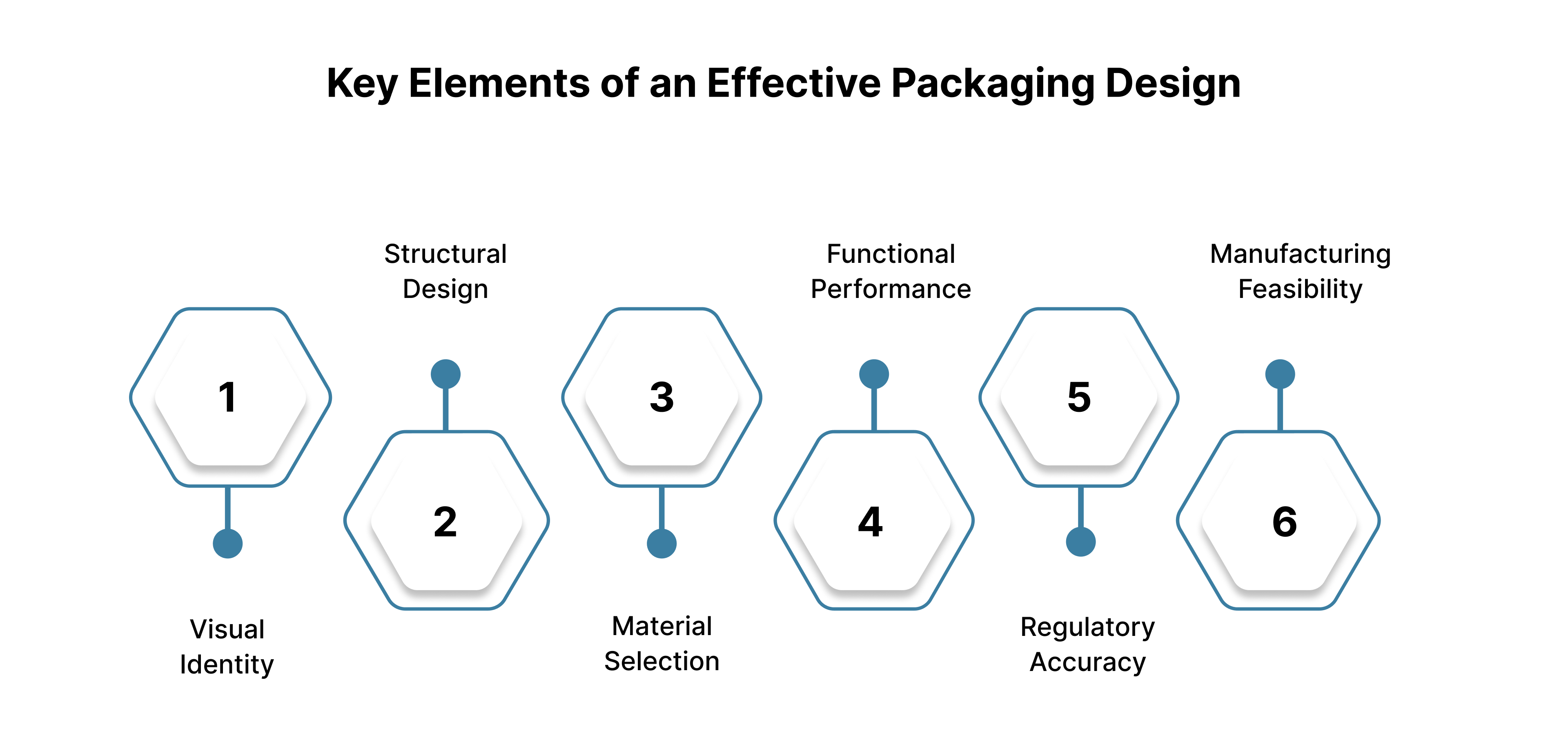
The most successful packaging systems consistently align these core elements:
When these elements work together, packaging becomes a strategic advantage that supports brand perception, compliance, and scalability.
Ready to bring your packaging to life? These design ideas offer clear inspiration for brands that want impact, consistency, and strong shelf presence.
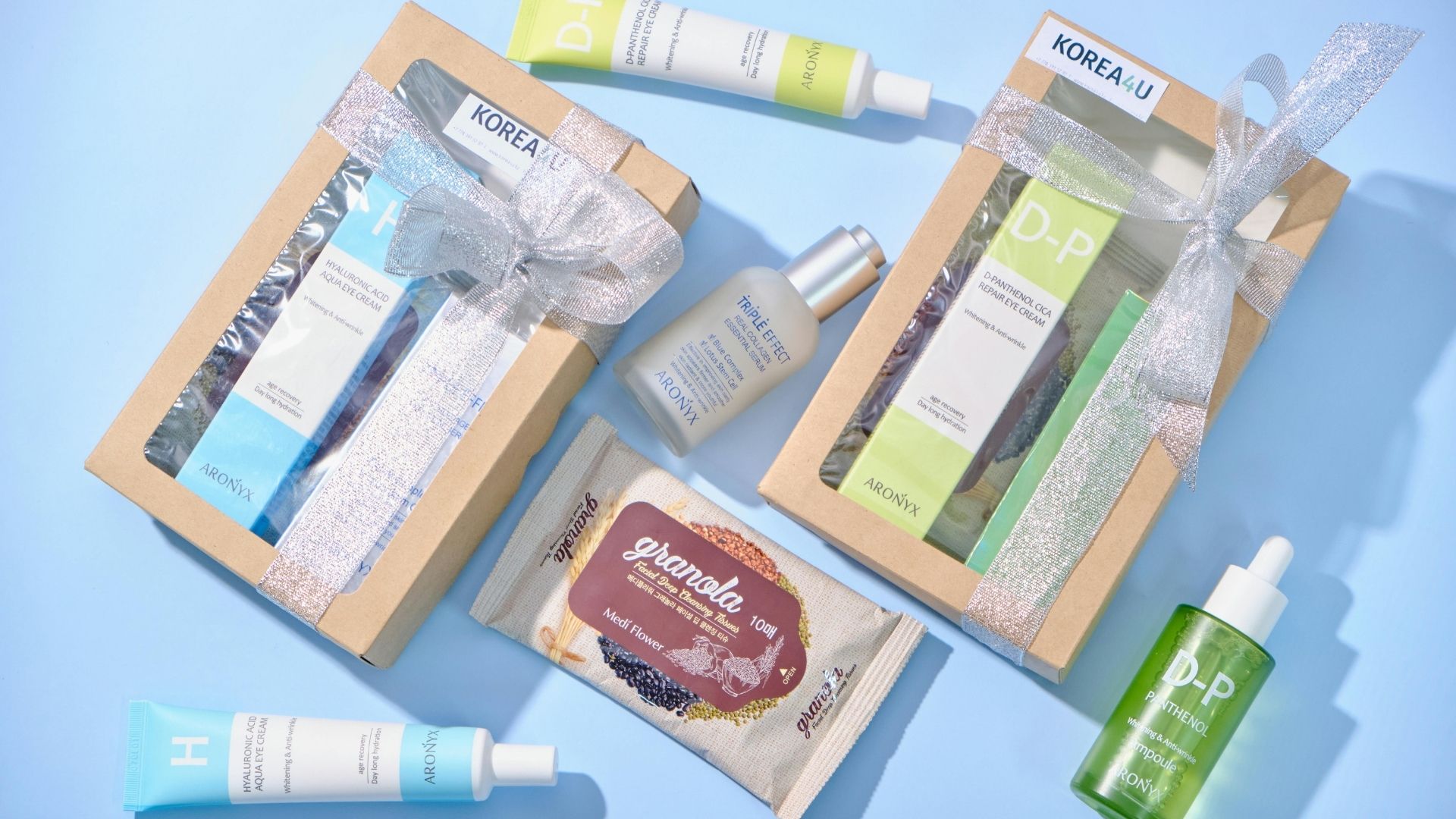
Minimalist packaging continues to dominate because it communicates clarity, trust, and quality. It strips away noise and focuses on typography, whitespace, and clean material choices.
What works well:
Best for: Skincare, wellness, lifestyle supplements, and premium beauty.
Brands targeting Gen Z or modern retail shelves use bold, saturated color palettes for instant recognition. High-contrast designs stand out in digital thumb-scroll environments.
What works well:
Best for: Makeup, functional beverages, vitality supplements, and youth-focused brands.
Sustainability is no longer a trend; it’s a brand expectation. Consumers want packaging that is recyclable, refillable, or made with responsible materials.
Ideas to explore:
Best for: Clean beauty, eco-first brands, wellness products, and modern D2C brands.
Texture adds depth and turns packaging into a tactile experience. This elevates brand perception and strengthens the unboxing moment.
Popular techniques:
Best for: Premium skincare, fragrance, prestige supplements.
Transparency signals honesty and quality. Consumers appreciate seeing the formula’s texture or clearly listed hero ingredients on the front panel.
What works well:
Best for: Serums, oils, gummies, liquid supplements.
Single-serve packaging continues to grow across supplements and skincare due to convenience and lower barriers to trial.
Popular formats:
Best for: Sampling programs, subscription brands, active consumers.
Luxury brands use upgraded materials and refined finishing techniques to justify premium pricing and create memorable unboxing rituals.
Design ideas:
Best for: Prestige skincare, fragrance, high-end supplements.
Monochrome packaging offers a polished, cohesive brand feel. Color-coding SKUs also simplifies the user journey across multiple product types.
Examples:
Perfect for brands scaling from 3 to 20 SKUs.
Large, confident typography can become the entire aesthetic. This design direction works well for modern, bold brands that want instant memorability.
What works well:
Packaging must work in real life. Good design considers ease of use, dosing, hygiene, and durability.
Functional features to explore:
Best for: Serums, supplements, balms, and topical treatments.
Brands are revisiting old-world charm with packaging that feels heritage-driven and timeless. Apothecary-style designs create a sense of trust, authenticity, and craftsmanship.
What works well:
Best for: Botanical skincare, tinctures, wellness oils, and heritage-inspired beauty lines.
Illustration adds personality and helps brands tell a visual story. It creates an emotional connection and improves distinguishability on crowded digital shelves.
What works well:
Best for: Youthful skincare, bath and body, clean beauty, seasonal kits.
Clinical design communicates precision, science, and efficacy. Many modern beauty and supplement brands use this style to position themselves as high-performance and results-driven.
What works well:
Best for: Dermatology-led skincare, active serums, supplements with strong scientific positioning.
Refillable design reduces waste and improves long-term customer retention. Modular systems let the brand replace only what’s necessary while keeping the core packaging intact.
Ideas to explore:
Best for: Sustainable beauty, premium skincare, and everyday-use supplements.
Patterns instantly differentiate a brand and create a high-impact visual identity. This direction works especially well for brands targeting retail environments.
What works well:
Best for: Makeup, fragrance, bodycare, limited-edition launches, and brand collaborations.
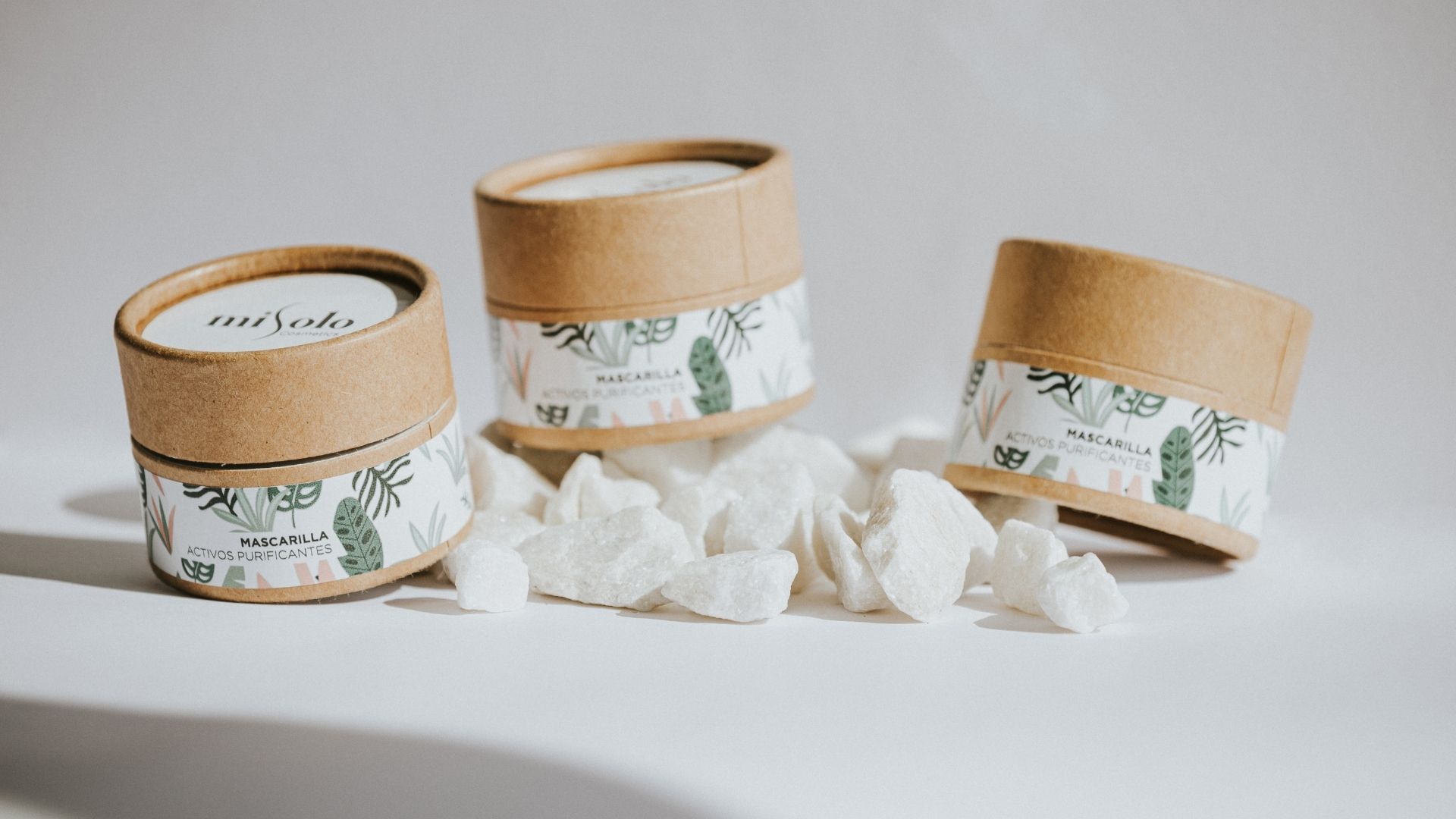
Choosing the right packaging is both a creative and operational decision. For fast-growing beauty, wellness, and supplement brands, the right structure, finish, and material can determine production efficiency, inventory stability, and retail readiness.
Evaluate the following factors closely as you develop or refine your packaging system.
Your packaging must reflect who you’re selling to and what they value. Younger audiences respond to bold, high-contrast visuals, while premium consumers gravitate toward clean, minimalist, or luxury finishes. Consider how they shop, what they expect from unboxing, and what signals trust in your category.
D2C requires strong photography and branding that pops on screen. Amazon demands high label clarity and sturdy packaging that survives prep centers. Retail requires shelf standout, readable claims, and durability under constant handling. A single packaging direction may not fit all three.
Packaging decisions directly impact your cash flow and production pace. Evaluate:
For scaling brands, choosing packaging that is easy to reorder and consistently available is as important as the design itself.
Your packaging should instantly communicate what your brand stands for. Clean beauty brands often lean into transparent or eco-forward designs. High-end brands invest in texture, weight, and premium materials. Supplements may rely on structure and clarity over ornamentation.
Also read: Sustainable Packaging Design Ideas for 2026: A Practical Guide for Scaling Brands
Your formula chemistry should guide your material choices. Consider:
This is where CGMP manufacturers and packaging experts like Respect Manufacturing and CDW can catch issues early.
Beauty and supplements require strict label accuracy. Ensure your packaging can fit:
A design that looks clean but cannot hold compliant information will cause delays or reprints.
Packaging should run smoothly on automated filling and labeling lines. Consider:
A design that is beautiful but difficult to fill or assemble can create long-term production headaches.
Heavier materials like glass drive higher freight costs. Wide jars reduce pallet density. Fragile packaging increases returns. Understanding the logistics impact helps brands avoid profitability issues as volume grows.
Your packaging system should support future SKUs without requiring complete redesigns. Consistent structures with color-coded variants often scale smoothly across 5, 10, or 20 products.
Choosing the right packaging system is a long-term operational decision that can get complicated fast. Each choice affects stability, compliance, speed on the line, and long-term scalability. When one piece is off, launches slow down, and costs rise. When everything works together, packaging becomes a strength instead of a recurring problem.
This is where many brands need experienced, end-to-end support to keep development clean, fast, and operationally sound. Let's take a look at how Respect Manufacturing can help you.
Respect Manufacturing, together with packaging partner CDW, supports brands with complete packaging development from concept to finished goods.
We provide:
This integrated approach eliminates multi-vendor complexity and ensures packaging looks great, functions well, and meets operational, compliance, and retail standards.
Packaging design is a competitive advantage for any beauty, wellness, or supplement brand. The right structure, materials, and visuals help your product stand out, improve user experience, and build long-term brand recognition.
Respect Manufacturing and CDW deliver end-to-end packaging solutions that combine design, functionality, testing, and CGMP manufacturing. From initial concept to retail-ready production, we help brands create packaging that looks premium and performs consistently.
Ready to build packaging that elevates your brand? Partner with Respect Manufacturing to bring your next product to life with confidence.
It shapes first impressions, protects the product, improves usability, and strengthens brand credibility, all of which influence customer trust and purchase decisions.
Primary packaging holds the product itself. Secondary packaging surrounds it for protection, branding, and retail display.
Clarify the product’s purpose, target audience, materials, budget, production scale, and any regulatory or sustainability requirements.
Choose designs that look appealing but also protect the product, support logistics, and deliver a smooth user experience.