Schedule a Call
Ready to Upgrade Your Process Operations?
Ready to Upgrade Your Process Operations?
Discover how to design skincare packaging that protects actives, ensures compliance, and elevates your brand with smart materials and structures.
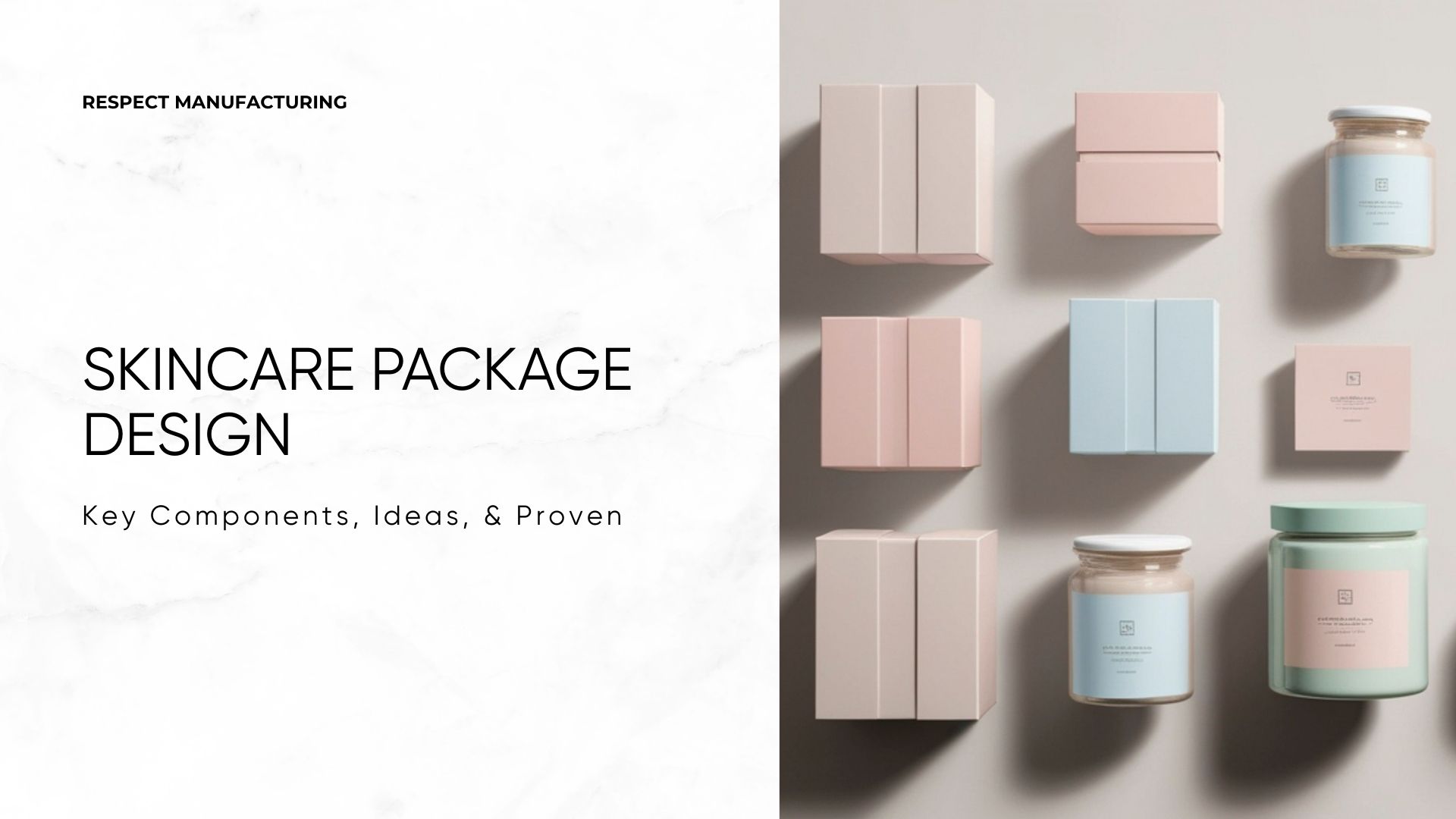
Skincare packaging plays a bigger role than most brands realize. It defines how your formula is protected, how your brand is perceived, and how confidently customers choose your product over another.
With skincare becoming more ingredient-driven and competitive, packaging has become a core part of product strategy, influencing usability, shelf appeal, and long-term consumer trust.
The right packaging design can elevate your brand story, support active ingredients, and improve hygiene and dosing. It can also strengthen your presence across D2C, retail, and social.
In this article, we explore the most effective skincare package design ideas, the trends shaping modern beauty, and how to choose packaging that works both creatively and operationally.
Key Takeaways:
Skincare package design refers to the visual, structural, and functional choices that determine how a skincare product is presented, protected, and used. It includes the container format, material selection, labeling layout, color palette, typography, finishes, and overall unboxing experience.
Unlike general packaging, skincare requires a higher level of precision because formulas are sensitive to light, air, contamination, and temperature.
Effective skincare packaging design ensures:
Ultimately, it shapes how well your product performs from production through consumer experience.
Packaging plays a uniquely critical role in skincare because formulas are more sensitive, consumer expectations are higher, and regulatory scrutiny is stricter compared to most beauty or wellness categories.
In skincare, the right packaging directly impacts product performance, brand credibility, and customer trust.
Effective skincare packaging must balance aesthetics, usability, regulatory accuracy, and formula safety. The best designs perform well in real-world conditions while supporting your brand’s identity and manufacturing workflow.
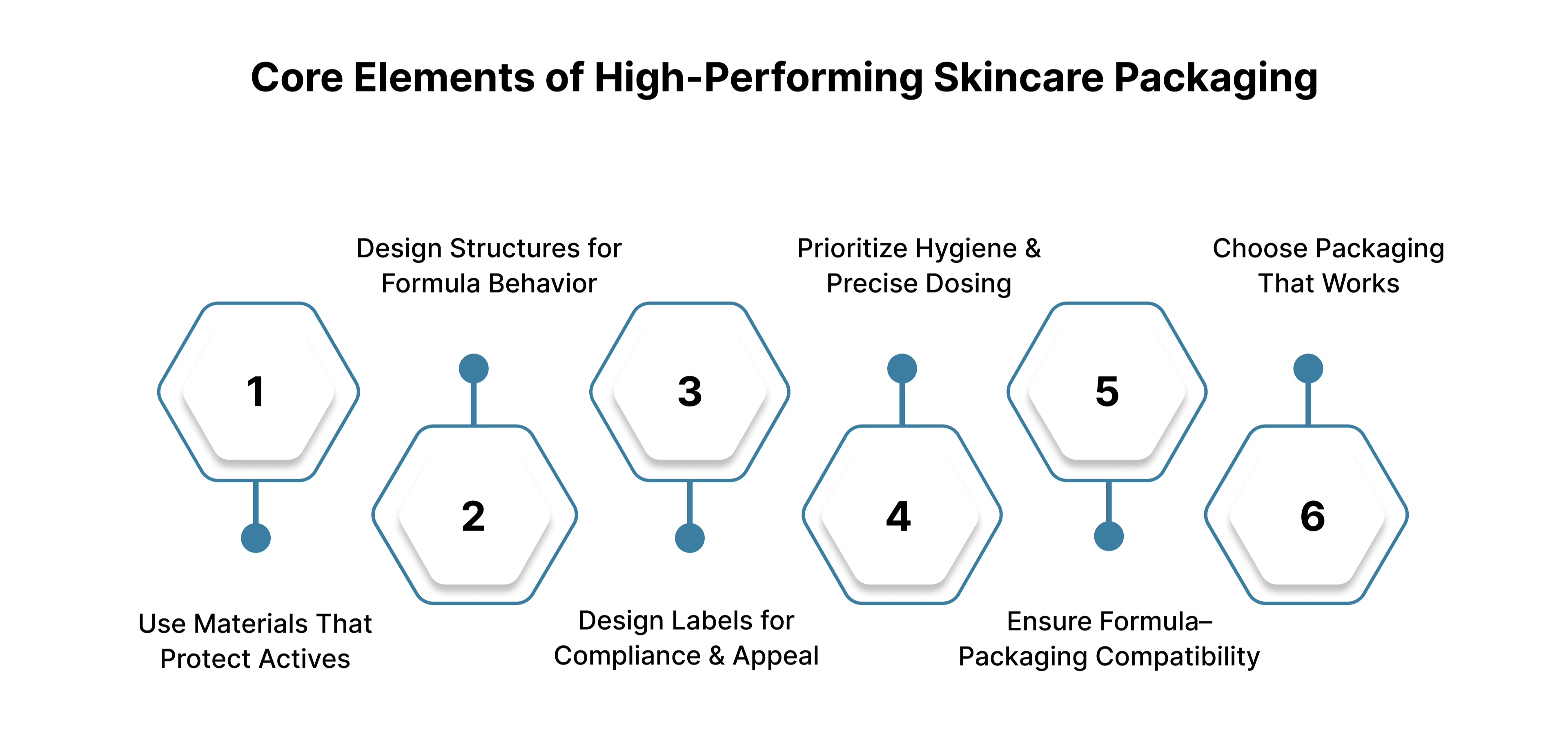
Here’s how each component contributes to a high-performing system:
Your material directly affects formula safety, shelf life, cost, and sustainability. Actives like vitamin C, retinol, AHAs, and botanical extracts degrade quickly when exposed to air, light, or reactive plastics.
What this looks like in skincare:
What you should do:
Also read: Sustainable Packaging Design Ideas for 2026: A Practical Guide for Scaling Brands
Your container’s structure controls dosing, hygiene, grip, and portability. The wrong shape or closure can cause contamination, leakage, or poor user experience, which all affect repeat purchase rates.
What this looks like in skincare:
What you should do:
Skincare packaging must balance aesthetics with strict regulatory rules. Your label must fit INCI names, warnings, batch codes, directions, and claims without crowding the design.
What this looks like in skincare:
What you should do:
Skincare customers expect precision and hygiene. Packaging must deliver the right amount of product cleanly, repeatedly, and without contamination risk.
What this looks like in skincare:
What you should do:
Not all formulas behave the same. Oils, acids, exfoliants, and botanical blends can interact with packaging materials, adhesives, or coatings. Compatibility must be validated early.
What this looks like in skincare:
What you should do:
Beautiful packaging must still run efficiently on automated filling, sealing, and labeling lines. If your packaging is difficult to handle, production slows, costs rise, and error rates increase.
What this looks like in skincare:
What you should do:
When these elements align, skincare packaging becomes a strategic asset — protecting your formula, elevating your brand, and supporting long-term scalability.
Also read: How to Start a Skincare Line in 2025
Skincare packaging trends are shaped by brands that successfully combine aesthetics with function. Here are proven design directions inspired by well-known brands and why they work.
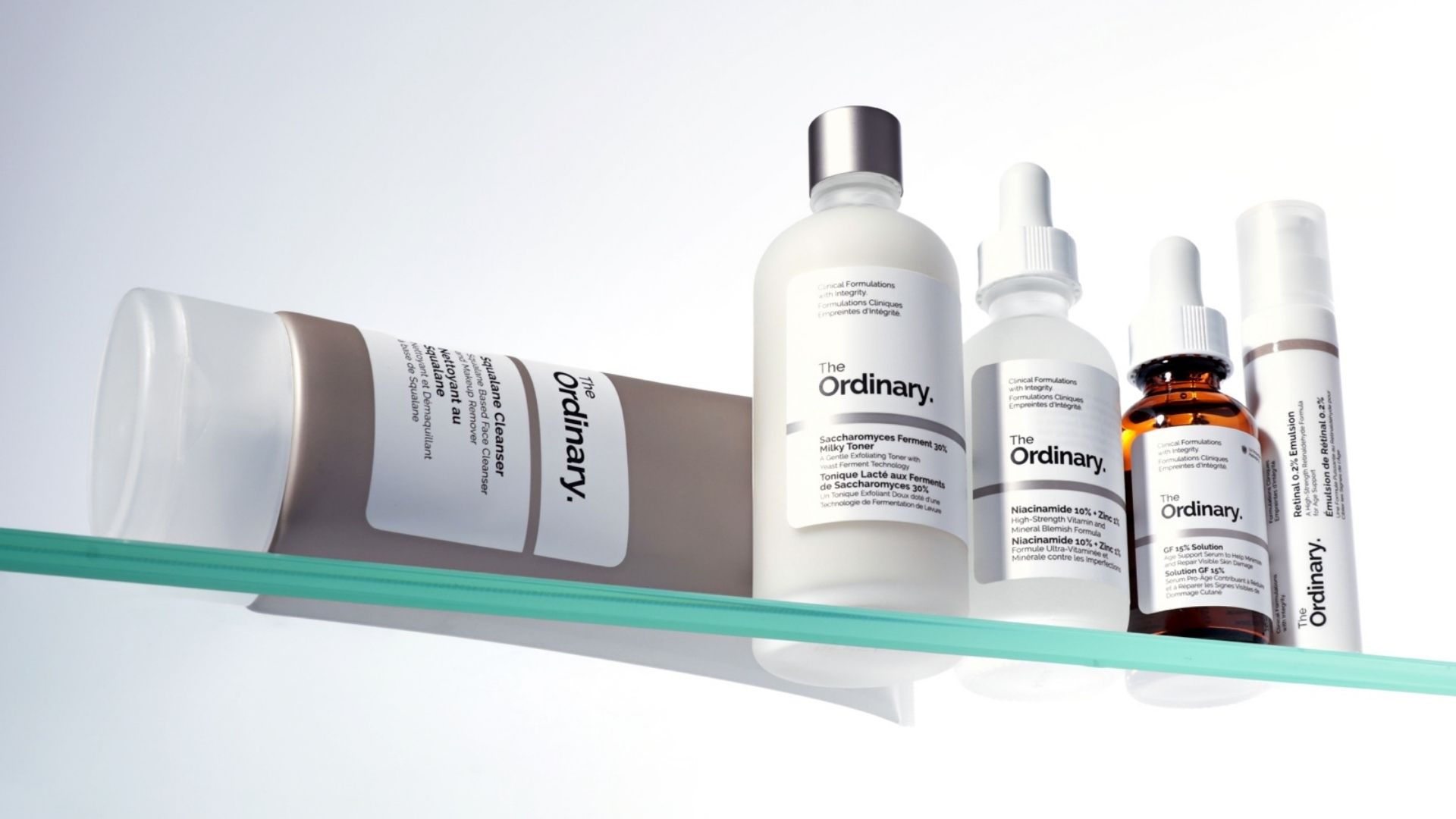
The Ordinary popularized a clean, pharmaceutical aesthetic with frosted glass bottles, monochrome labels, and simple typography. This design signals transparency, ingredient focus, and efficacy.
Why it works:
Best for: Treatment serums, acids, boosters, and ingredient-driven lines.
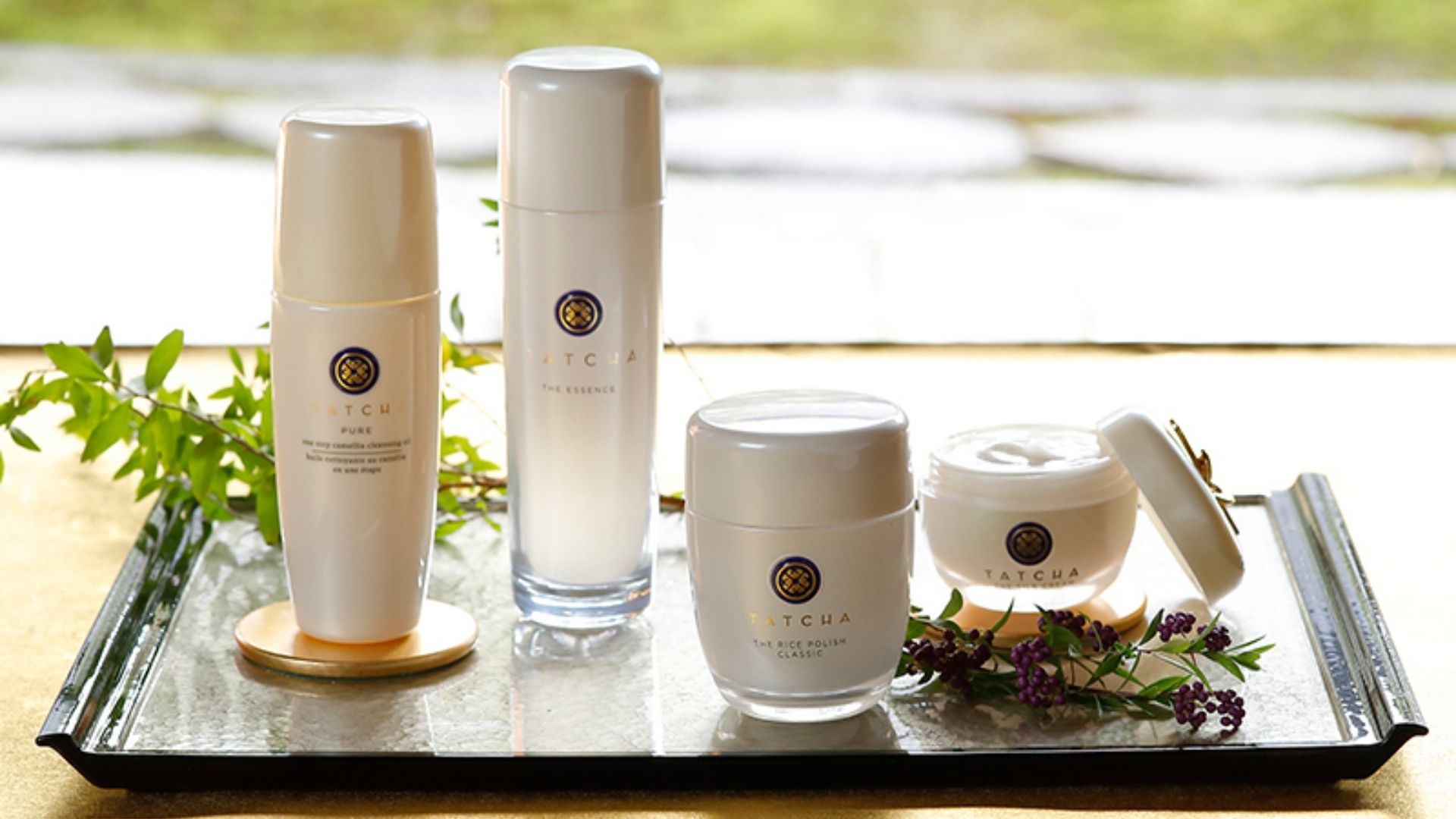
Tatcha uses weighty containers, soft color stories, gold accents, and refined structures that feel ceremonial. Their packaging reinforces a luxury wellness ritual.
Why it works:
Best for: Moisturizers, creams, eye treatments, prestige skincare.
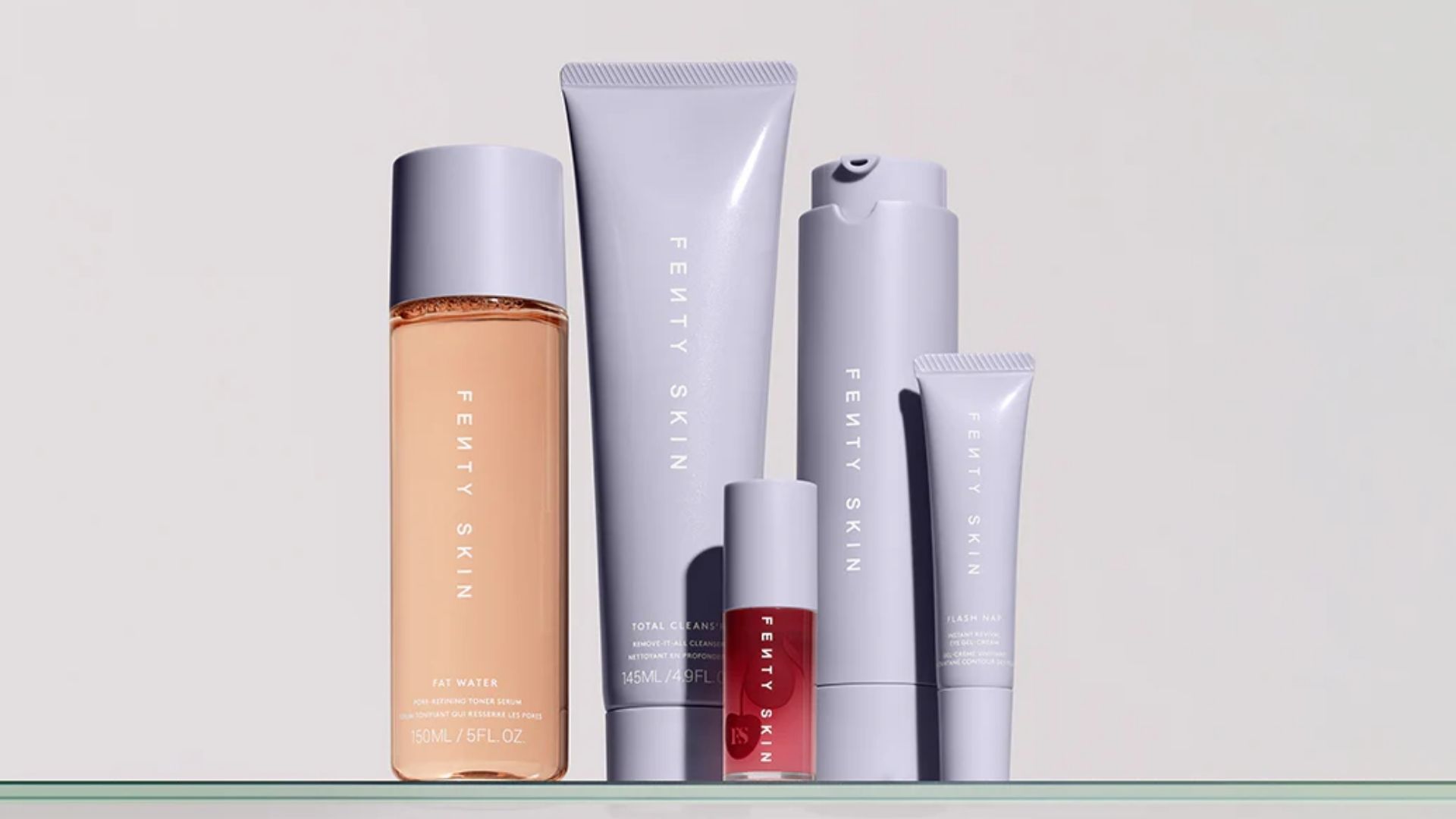
Fenty Skin integrates refill cartridges inside durable outer components. The system reduces waste while keeping the aesthetic consistent.
Why it works:
Best for: Daily-use products like cleansers, moisturizers, and SPF.
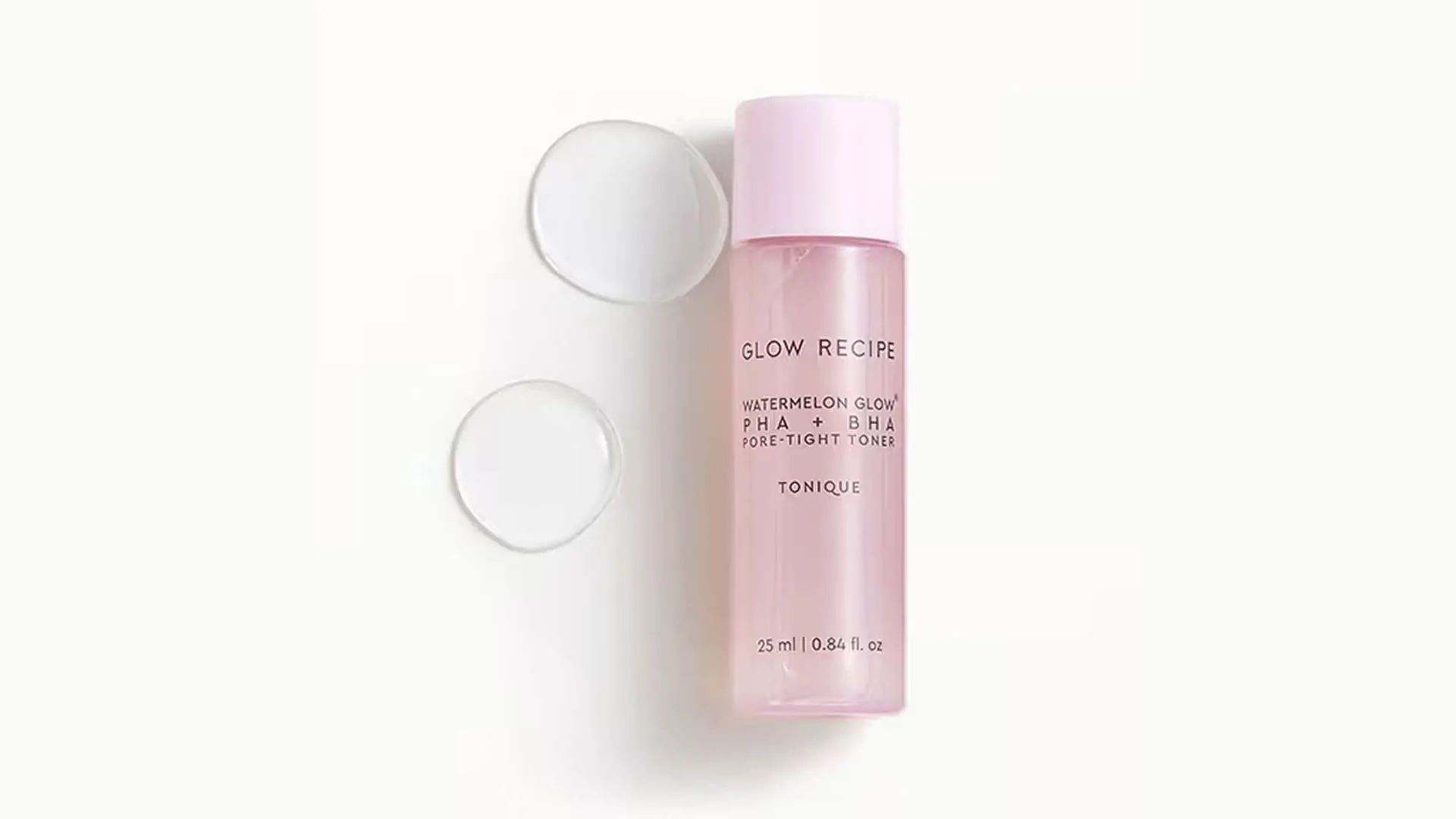
Glow Recipe uses color-tinted packaging tied directly to hero ingredients — pink for watermelon, yellow for pineapple. Playful shapes and textures build instant recognition.
Why it works:
Best for: Hydration products, masks, cleansers, and SKUs with fruit-led actives.
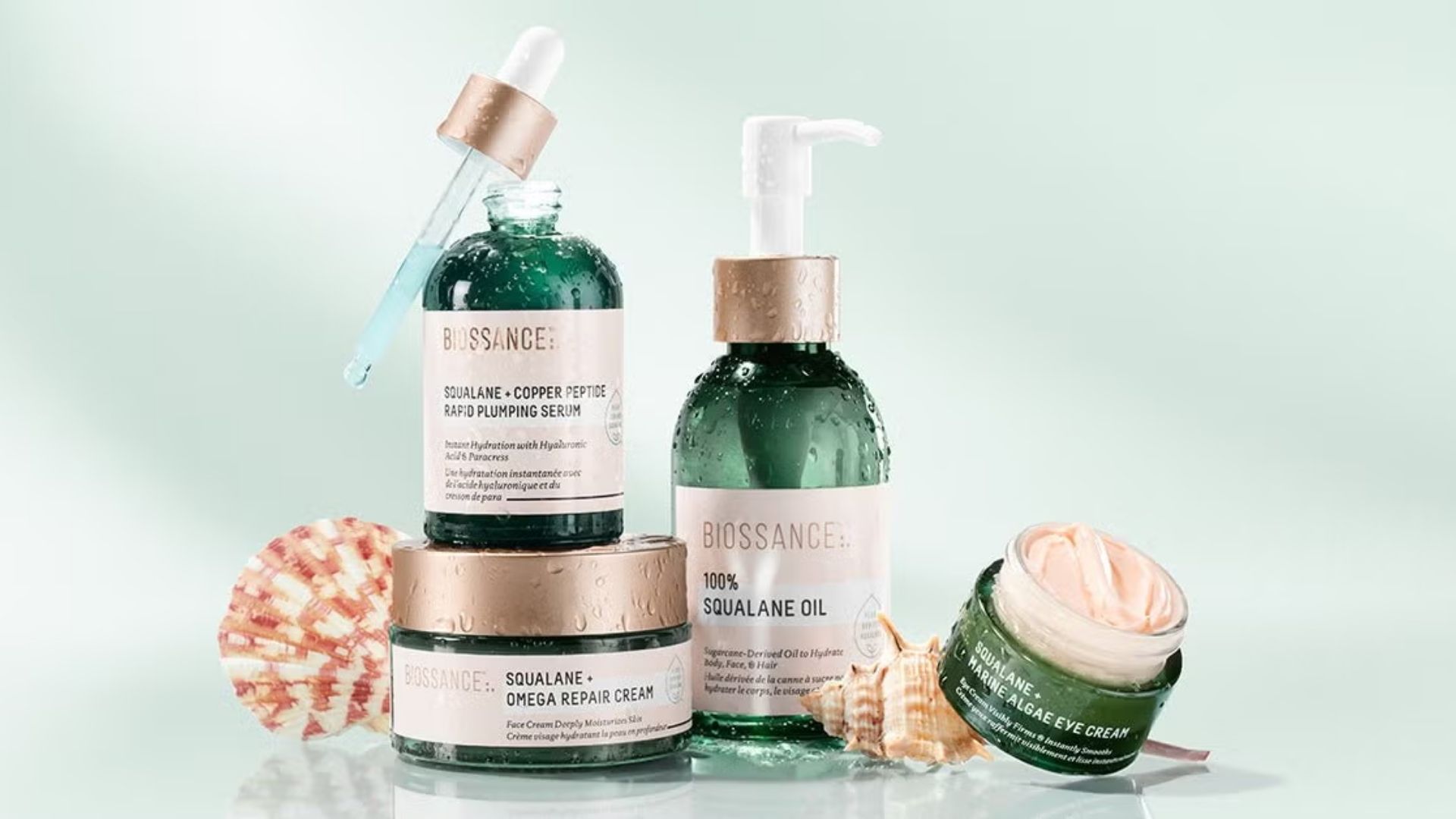
Biossance leans on transparent or semi-transparent packaging with clear labeling. This communicates safety, clean ingredients, and formula purity.
Why it works:
Best for: Oils, serums, and minimalist routines.
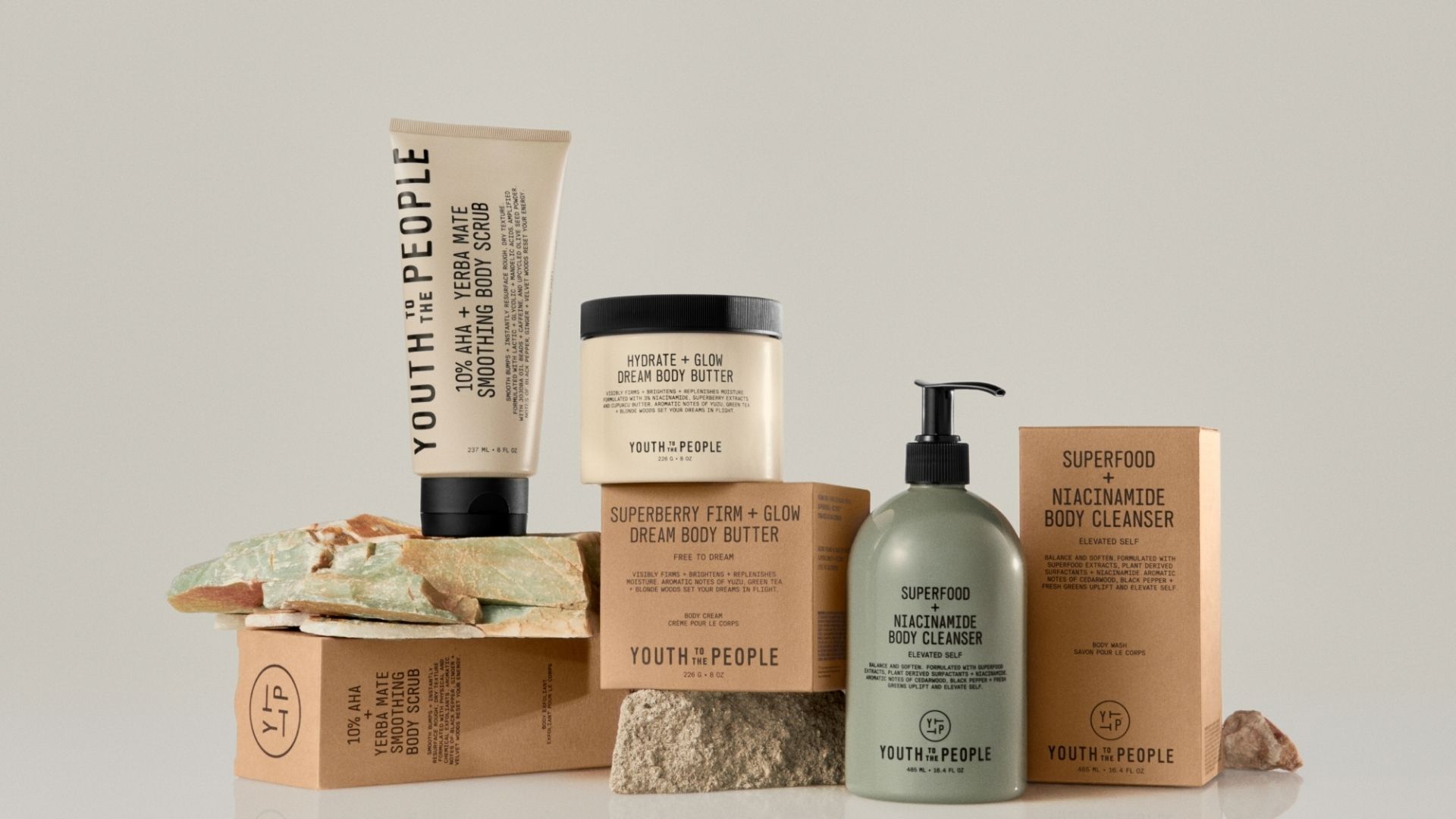
YTTP uses oversized, sans-serif typography with amber glass bottles to create a modern, confident identity. Their packaging feels both natural and high-performance.
Why it works:
Best for: Antioxidant serums, cleansers, and treatments.
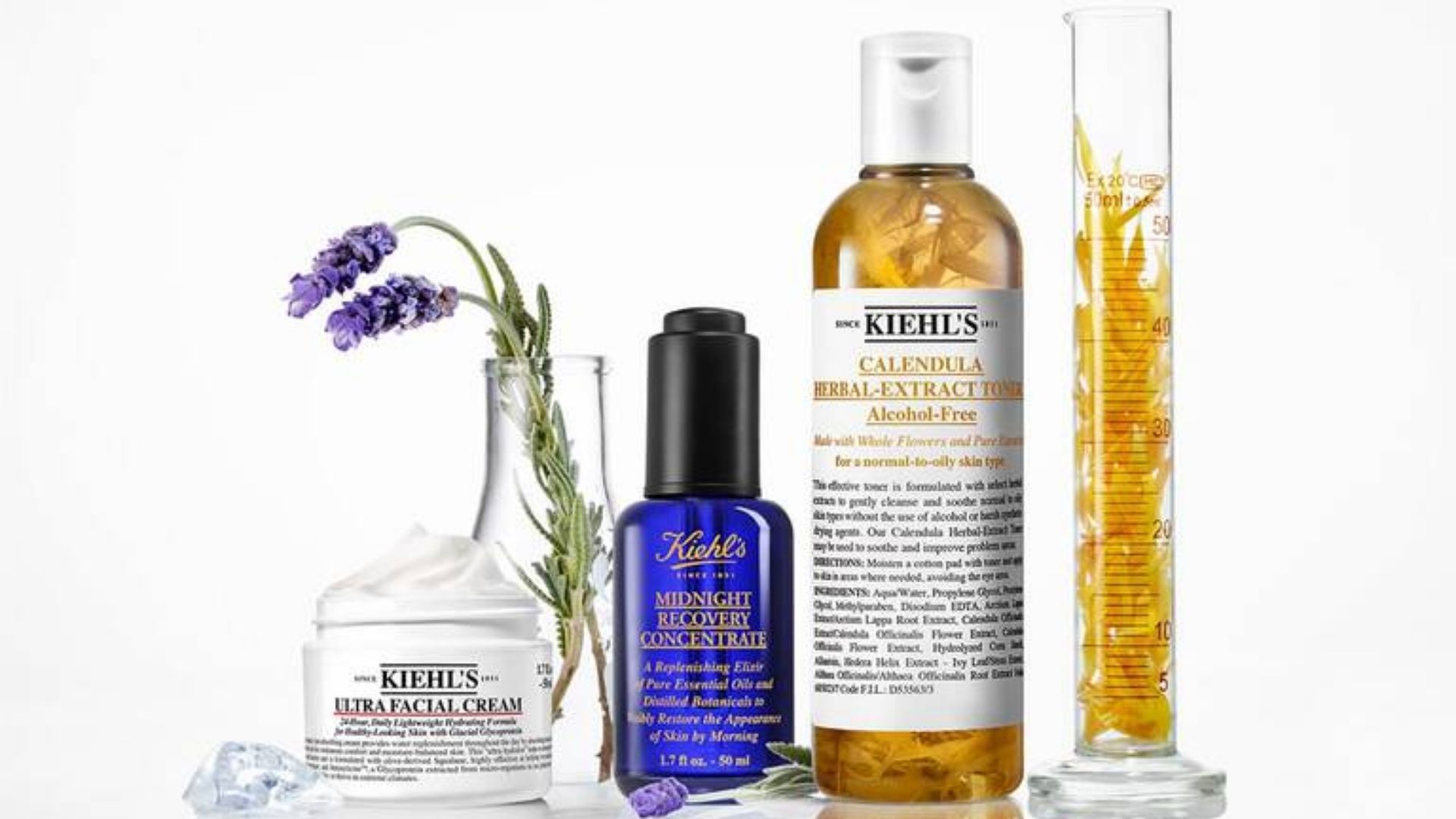
Kiehl’s leans into an old-world apothecary look with tinted bottles, serif fonts, and archival-style labels. It communicates history, expertise, and credibility.
Why it works:
Best for: Botanical skincare, serums, lotions, and toners.
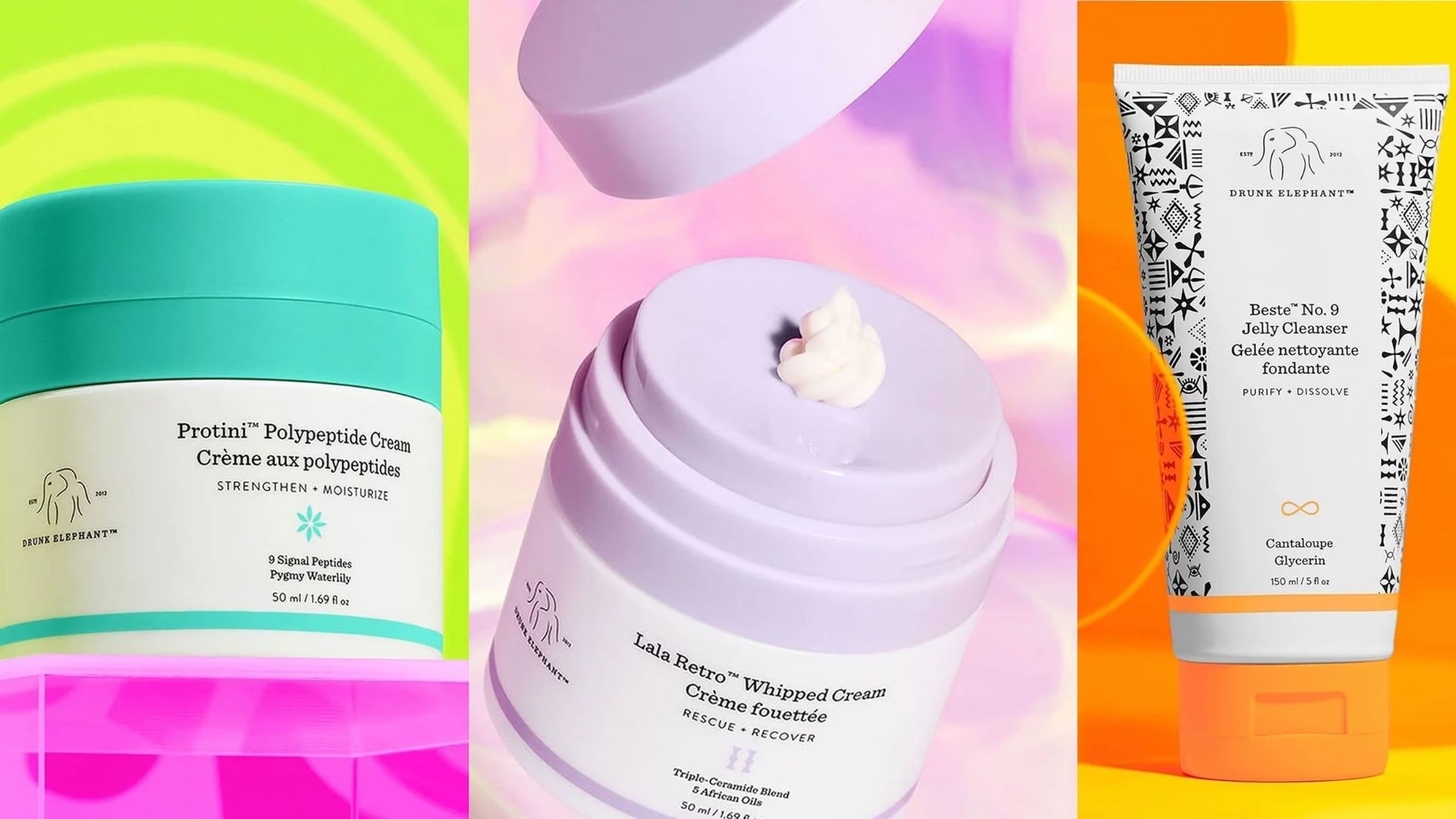
Drunk Elephant uses bright, uniform packaging with bold, neon-coded caps. This system simplifies product navigation and makes entire lines visually cohesive.
Why it works:
Best for: Treatment lines, starter kits, and multi-product regimens.
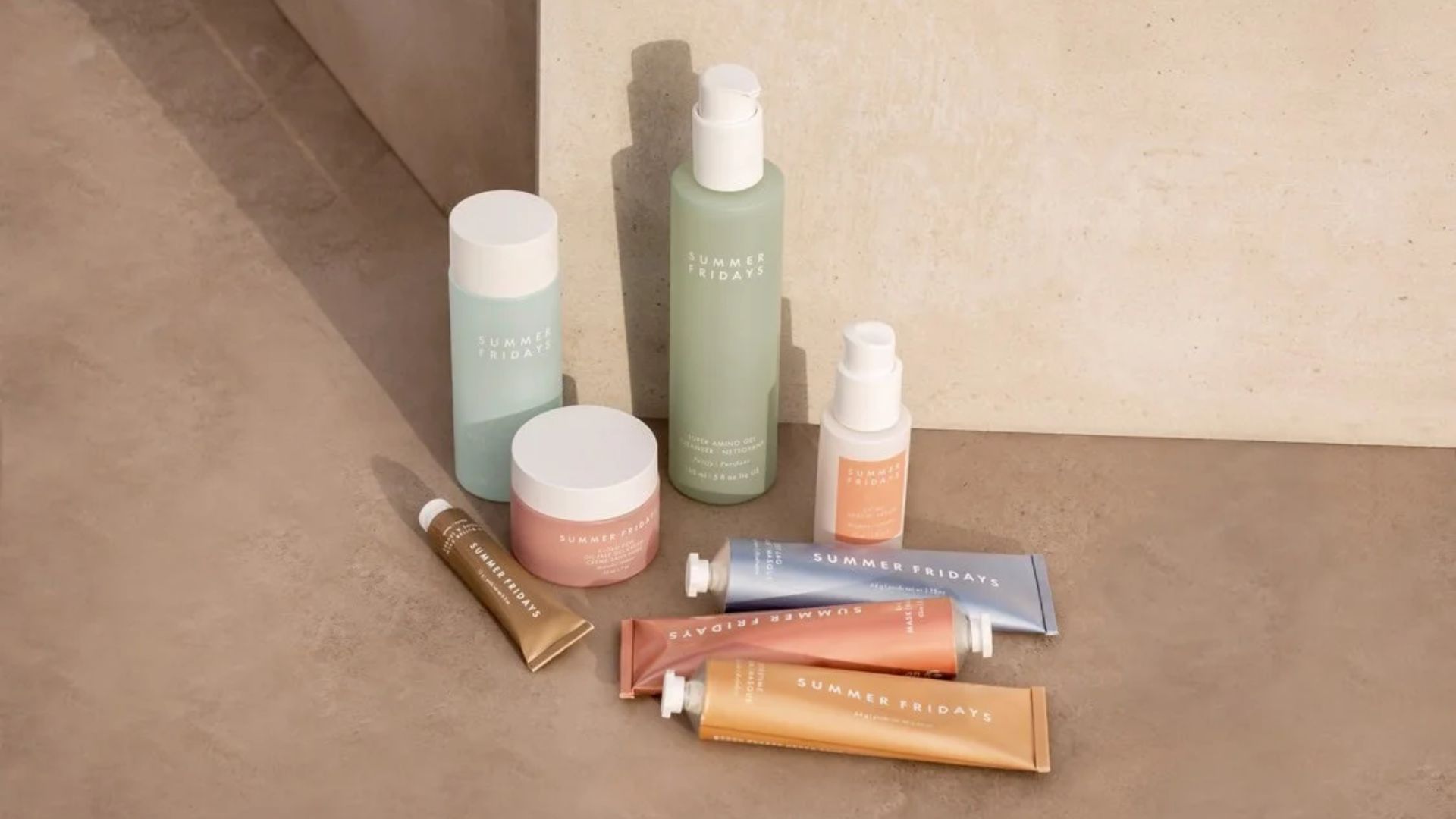
Summer Fridays incorporates soft-touch matte finishes, squeezable aluminum tubes, and calming colors. Their packaging feels elevated yet approachable.
Why it works:
Best for: Masks, moisturizers, SPFs, and travel-friendly formats.
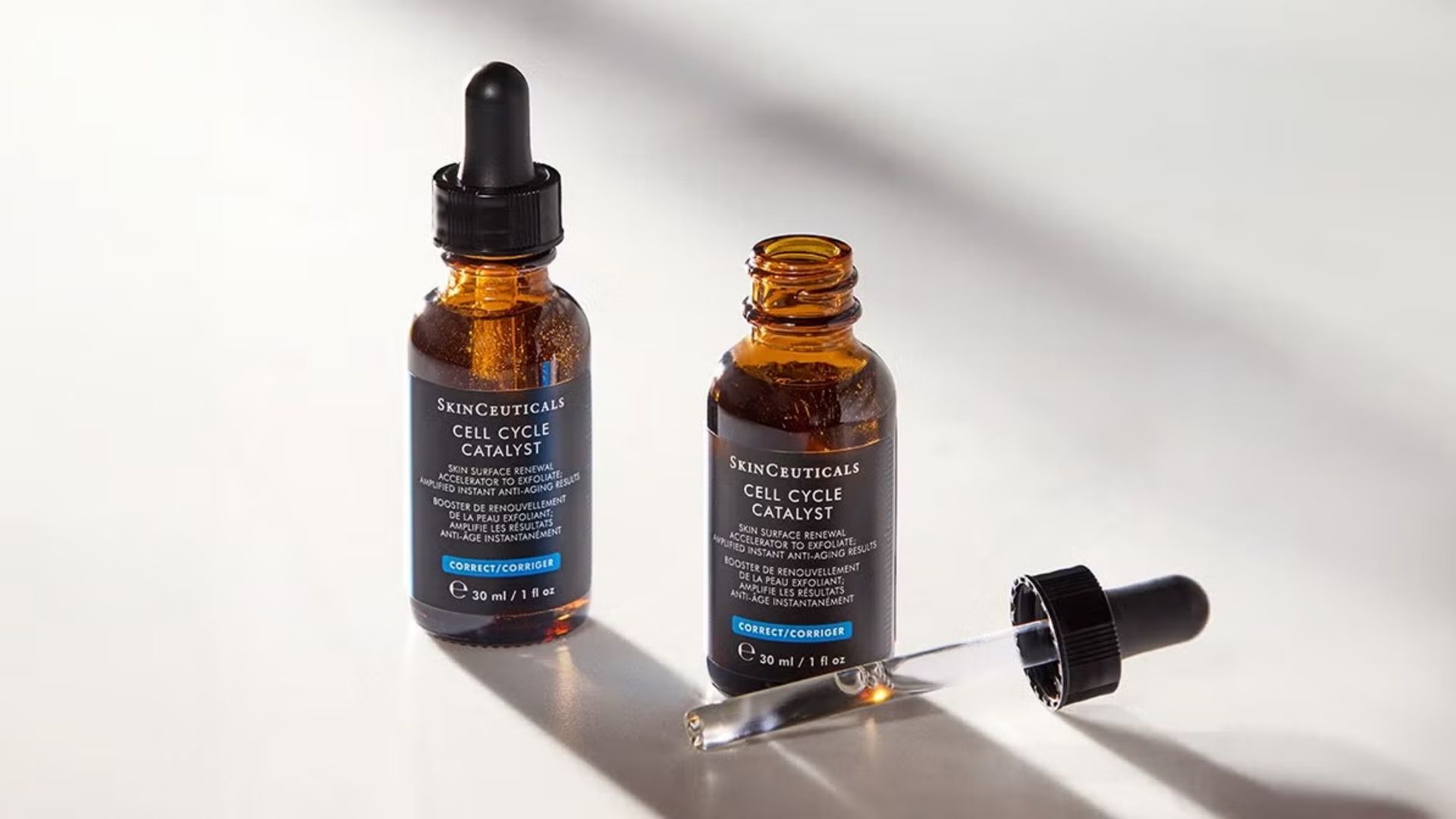
SkinCeuticals adopts lab-style dropper bottles and structured labels that emphasize medical credibility. It signals high efficacy and dermatologist alignment.
Why it works:
Best for: Potent actives, vitamin C serums, exfoliants.
Choosing the right packaging is both a branding and operational decision. For growing skincare brands, the container you select influences formula stability, production speed, customer experience, and long-term scalability. Use these factors to guide your decision.
Smart packaging choices improve production efficiency, protect actives, and create a consistent customer experience across every channel.
Skincare teams run into the same packaging roadblocks: materials that react with formulas, designs that cannot hold required claims, suppliers who cannot provide documentation, and components that fail on automated lines.
These issues slow launches, increase costs, and create inconsistency as you scale.
Respect Manufacturing gives skincare brands a single, reliable partner for packaging, formulation support, and production. Instead of coordinating multiple vendors, you get an integrated system that protects formula integrity, accelerates launches, and maintains consistency as your line grows.
Through our partnership with CDW, we offer full turnkey packaging development and filling, including sourcing, decorating, printing, and secondary packaging.
What you gain with Respect Manufacturing:
With our end-to-end approach, your packaging is not just visually strong but operationally sound, compliant, and ready for scale.
Skincare packaging is more than a design choice. The right materials, structure, labeling, and compatibility testing protect your formula, strengthen your brand, and ensure a smooth customer experience across D2C and retail channels.
When packaging aligns with your audience, product chemistry, and operational needs, it becomes a long-term advantage rather than a recurring challenge.
Respect Manufacturing helps skincare brands build packaging that looks premium and performs reliably. With CGMP production, turnkey packaging through CDW, AQL testing, stability programs, and automated filling lines, we provide the technical foundation growing brands need to scale with confidence.
Ready to build skincare packaging that elevates your brand? Contact us today to get started.
Glass, PET, PCR, aluminum, and airless systems are most common because they balance durability, formula compatibility, and sustainability.
Start with formula stability needs, choose compatible materials, build clear labeling, and validate with stability and compatibility testing.
Good packaging protects the formula, is easy to use, supports accurate dosing, complies with regulations, and reflects your brand identity.
Primary packaging holds the formula. Secondary packaging protects it during shipping and displays brand information.
Consider your target audience, sales channels, formula sensitivity, cost, and the scalability of the packaging format.