Schedule a Call
Ready to Upgrade Your Process Operations?
Ready to Upgrade Your Process Operations?
Learn how to start a lip gloss business with clear steps on formula development, packaging, compliance, testing, production, and scaling.
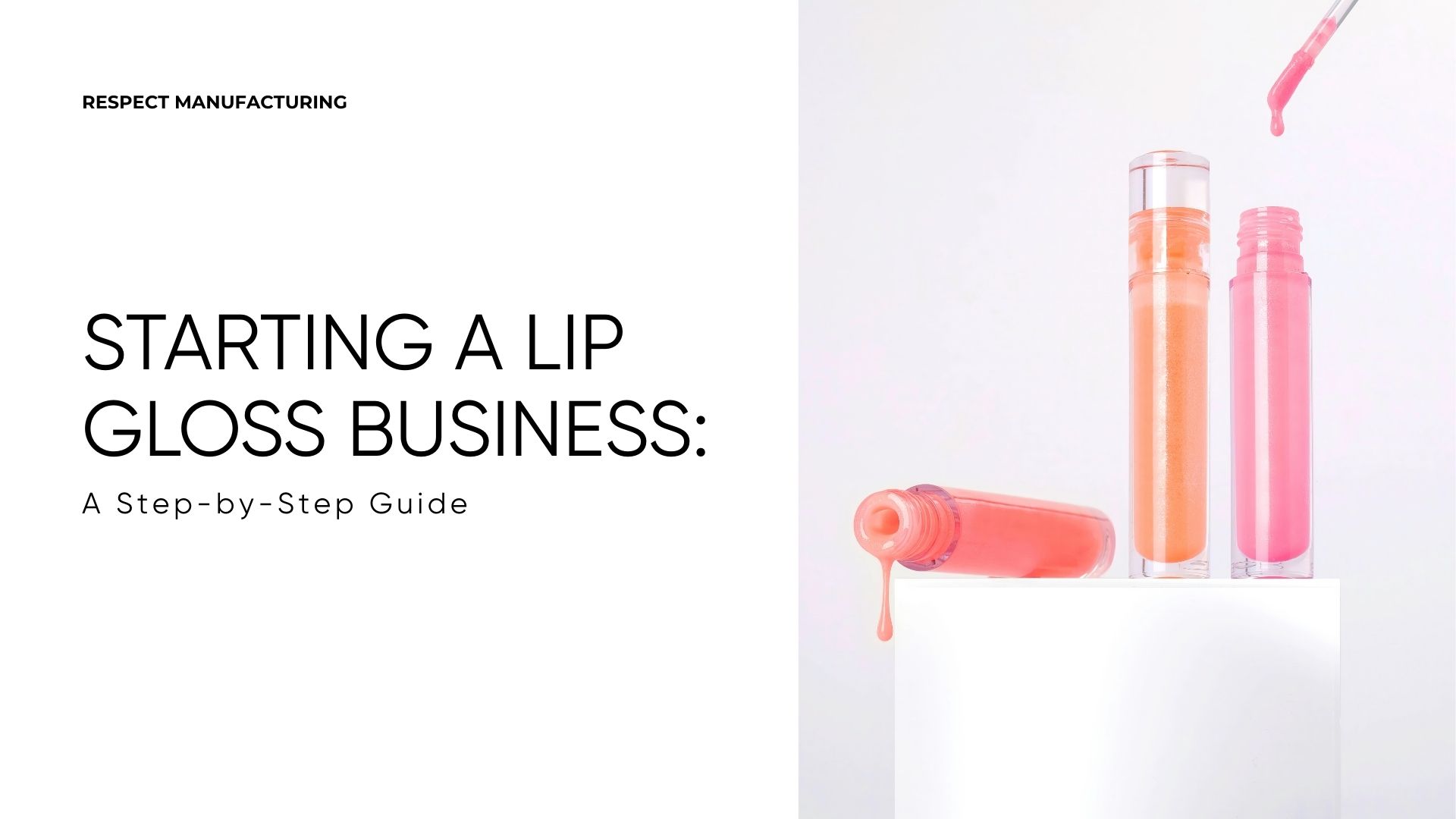
Starting a lip gloss business can look straightforward, especially if you have experience in beauty or D2C. But once you move from concept to production, you already know the real work sits in the operational details.
The global lip gloss market reached USD $3.77 billion in 2024, which means more opportunity, but also more scrutiny on how products are formulated, tested, packaged, and labeled.
For most teams, the challenges begin when texture stability, pigment dispersion, leak prevention, compliance, and MOQs all need to align at the same time.
In this article, we’ll break down the early planning, formulation choices, and operational steps involved in launching a production-ready lip gloss.
Key Takeaways:
A lip gloss line performs better when the market, price point, and product role are defined early. Skipping this step leads to unnecessary SKUs, unclear costs, and formulas that do not match real demand. Clear direction at this stage keeps decisions about formulation, packaging, and MOQs aligned and easier to manage.
Here are the core decisions to finalize at this stage:
Before you decide on shades or packaging, you need clarity on where your lip gloss will compete and who it is for. This helps you avoid unnecessary SKUs and keeps early decisions grounded in real demand.
What to identify early:
These decisions influence your formula direction, packaging selection, and MOQ requirements.
A simple business plan keeps your launch focused and prevents cost overruns during formulation and production.
Define the essentials:
This foundation helps you choose the right manufacturing model and manage early cash flow.
Lip gloss is regulated as a cosmetic. While it does not require pre-approval, it must be safe for consumer use and properly labeled.
Key areas to understand:
Getting these details right early helps prevent relabeling, compliance delays, or issues during production.
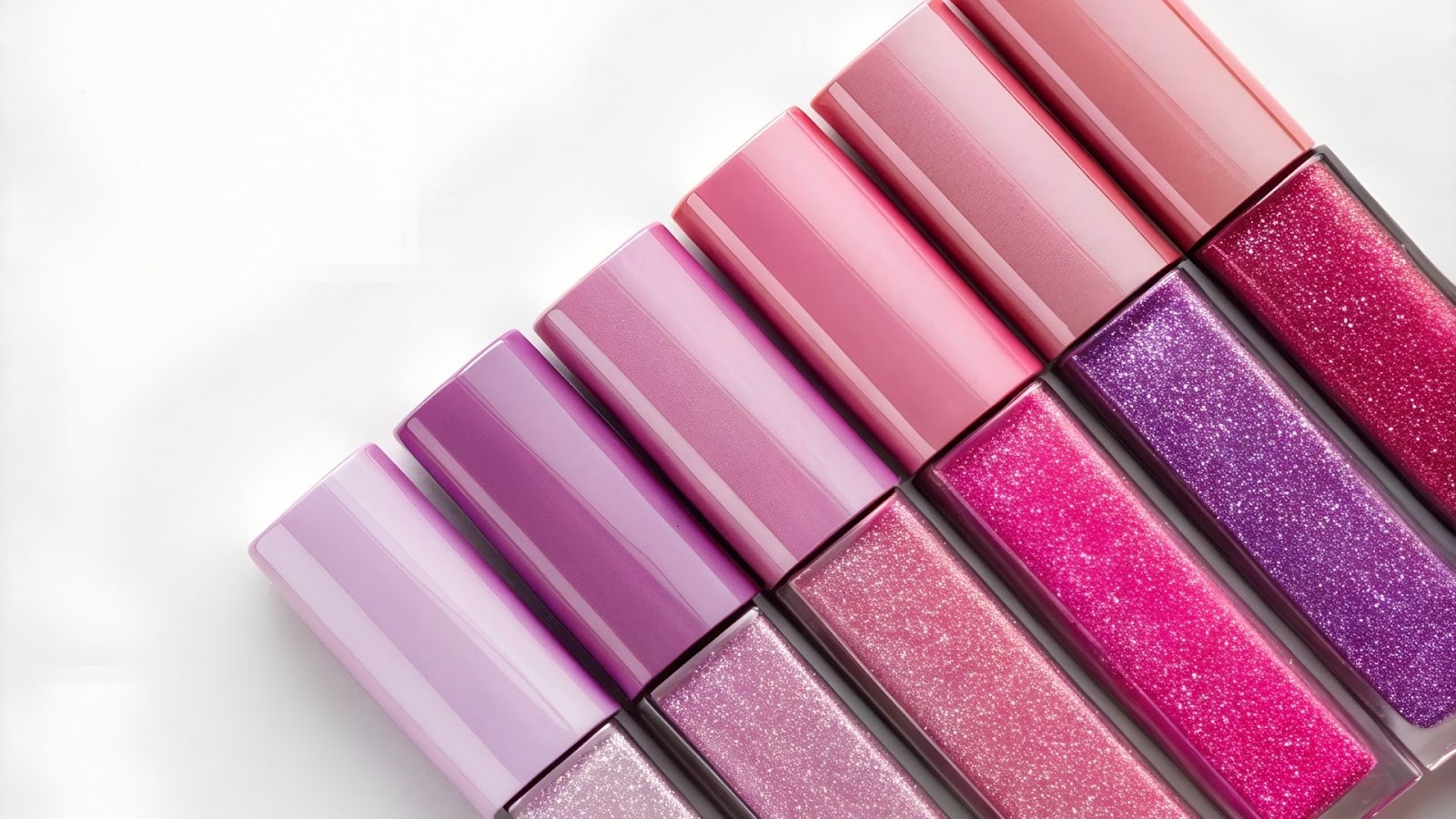
Your manufacturing approach determines your launch speed, formula flexibility, testing needs, and long-term scalability. Choosing the right model early helps you manage costs, avoid delays, and plan your product development more accurately.
Here’s how you can evaluate:
Your manufacturing model determines your launch speed, development workload, shade flexibility, and long-term scalability. Comparing both options early helps you choose a path that aligns with your budget and product goals.
Private label works best for simple, fast launches. Custom formulation works best when you need control over texture, pigment load, or a differentiated product.
Once you have chosen your manufacturing model, the next step is to outline how you will source your key components. Early sourcing clarity helps you estimate MOQs, lead times, and packaging requirements.
Focus on these essentials:
A solid sourcing plan gives you a realistic sense of cost, production timelines, and operational constraints before you begin formulation or shade development.
Suggested read: FDA Cosmetic Labeling Requirements Guide
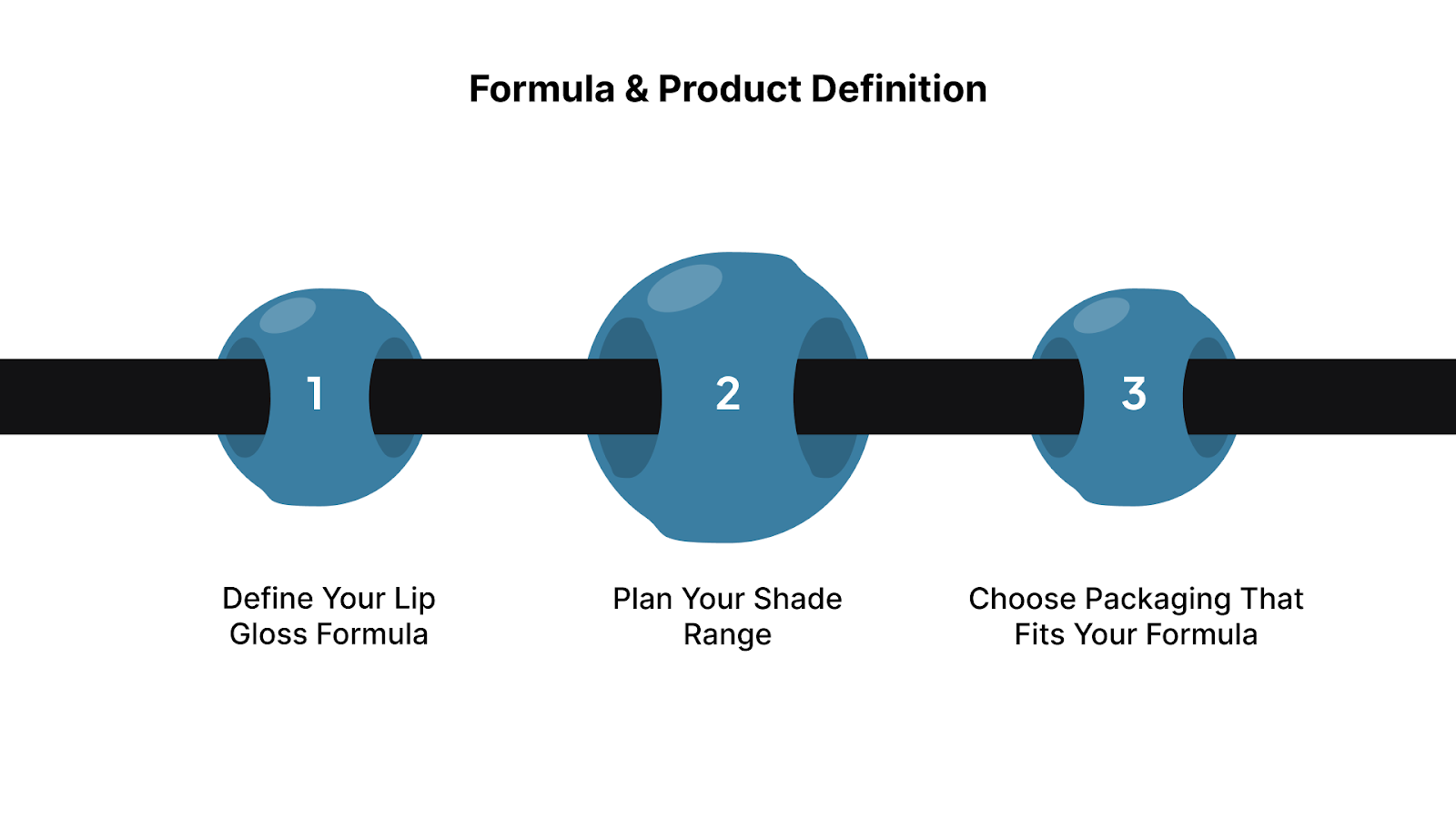
Your product formula drives how the lip gloss looks, feels, fills, and holds up over time. Clear decisions here prevent stability issues, shade inconsistencies, and packaging problems later.
These are the elements to finalize now:
Your formula determines how the product behaves during mixing, filling, storage, and daily use. Finalizing these details early helps avoid stability issues and packaging incompatibility later.
Decisions to make:
Each decision affects pigment load, viscosity control, preservative needs, and equipment requirements during production.
Starting with a controlled shade range helps maintain consistency and manage early QC during small runs.
What to consider:
More shades increase pigment sourcing, shade matching cycles, and stability checks, so plan a range you can support operationally.
Lip gloss packaging is not interchangeable. The formula’s viscosity and pigment load determine which tubes and applicators will work without leaking or separating.
Packaging elements to choose:
Packaging should always be selected after your formula direction is set, not the other way around, to avoid compatibility issues.
This stage validates that your formula and packaging can handle real production conditions. Proper testing and QC checks reduce the risk of leaks, texture shifts, or failed batches.
Here are the steps to complete before filling:
Before any production run, you need to confirm that your formula holds up under real-world conditions. Stability and compatibility testing reduce the risk of leaking, separation, or viscosity drift after launch.
Tests to complete:
These tests protect your production run and reduce the risk of rework or product loss later.
A clear QC checklist ensures every batch meets your expected standards. Creating this before filling begins helps align your manufacturer and keeps output consistent across runs.
QC elements to define:
A strong QC checklist provides traceability and supports more predictable production results.
Understanding your full cost structure and material requirements helps you plan inventory, budget accurately, and avoid delays caused by long-lead components.
What to map early:
Planning these factors early helps maintain realistic launch dates and avoids unnecessary rush fees or reorders.
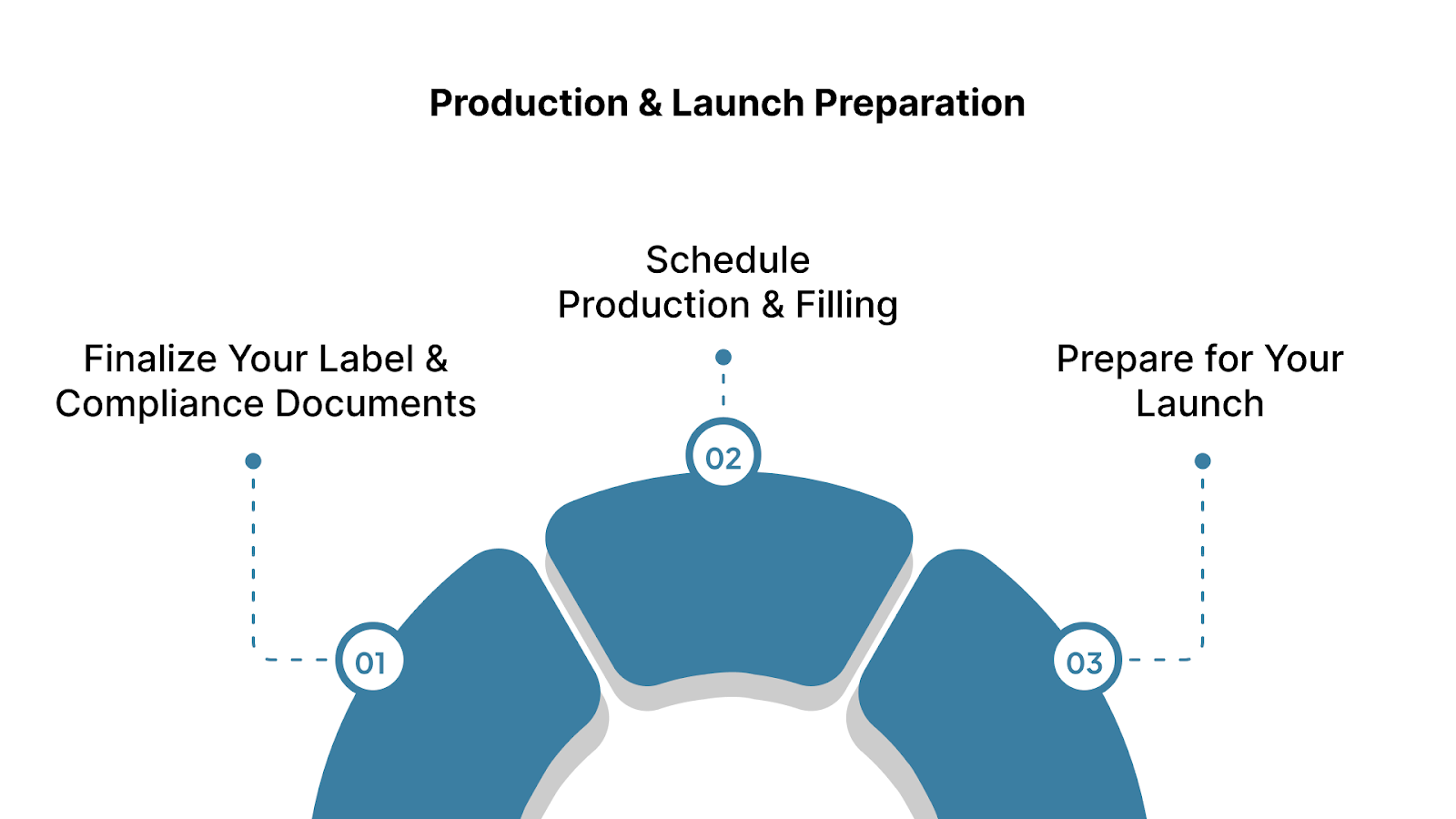
Once testing is complete and your formula is approved, the next step is controlled production and launch setup. So, let’s look at the tasks that help maintain consistency from the first tube filled to the moment orders ship.
Before production, your label must meet all cosmetic requirements and be formatted correctly for your chosen packaging. A compliant label reduces the risk of reprints, confusion during filling, or delays during launch.
Your label must include:
Accurate labels support traceability and ensure your product meets cosmetic standards.
Once your formula, shades, and packaging are approved, you can move into production. This stage requires precise coordination to maintain consistency across every unit.
Key tasks:
Clear communication during this stage helps prevent rework, leakage issues, or shade inconsistencies.
After production, your focus shifts to packaging assembly, inventory planning, and launch readiness. Proper preparation ensures your product is ready for fulfillment and customer use.
Set up the essentials:
A structured launch process supports smoother operations once orders begin.
Suggested read: How to Start a Makeup Line: A Step-by-Step Guide
The work does not end at launch. How your product behaves in real conditions guides your next moves and ensures you scale only when your operations can support it.
Here’s what to focus on next:
Your first production run provides valuable data on how the formula performs outside a controlled environment. Tracking early performance helps you catch issues before scaling your line.
What to monitor:
Early monitoring helps you refine your QC checks and stabilize your supply chain before expanding your range.
Shade expansions and new finishes are common growth milestones. However, expanding too early increases complexity and creates operational risk.
Scale only when:
Ways to expand effectively:
Growing your line gradually ensures operations stay reliable as your business scales.
As lip gloss lines grow, the operational demands increase quickly. Managing multiple packaging vendors, coordinating pigment suppliers, keeping shades consistent, and meeting marketplace documentation standards can pull teams in too many directions. Small issues like variation in texture, leaking components, or incomplete COAs can slow down launches and create avoidable rework.
Respect Manufacturing helps simplify this by handling the critical pieces of production within one controlled environment. The team combines formulation support, stability testing, filling, packaging, and quality checks in a single workflow, giving brands a more predictable path from development to finished goods.
This integrated approach helps brands reduce production risks and maintain consistent quality as their lip gloss line expands.
Building a lip gloss business is more than selecting shades or choosing packaging. The real work sits in formulation stability, pigment consistency, compliant labeling, reliable suppliers, and a production process that can repeat the same quality every time. When these operational pieces are planned early, scaling becomes far more predictable.
Respect Manufacturing supports this process by offering formulation guidance, controlled production workflows, stability testing, automated filling, and packaging expertise under one system. This structure gives beauty brands a clearer path from development to finished goods and helps maintain consistent quality across growing shade ranges.
Get manufacturing support that helps your lip gloss line launch smoothly and grow with confidence. Contact us today!
It can be profitable when formulas, packaging, and MOQs are managed tightly. High-margin products with simple ingredients and predictable production often perform best.
You do not need a specific FDA license, but the product must be safe, properly labeled, and made with permitted ingredients. Some states require basic business or seller permits.
Costs vary by formula, packaging, and MOQ. Most expenses come from ingredients, tubes, testing, and filling. Starting with a small shade range keeps costs manageable.
The FDA does not approve cosmetics before sale. Lip gloss must follow cosmetic regulations, use permitted color additives, and include accurate INCI labeling to remain compliant.